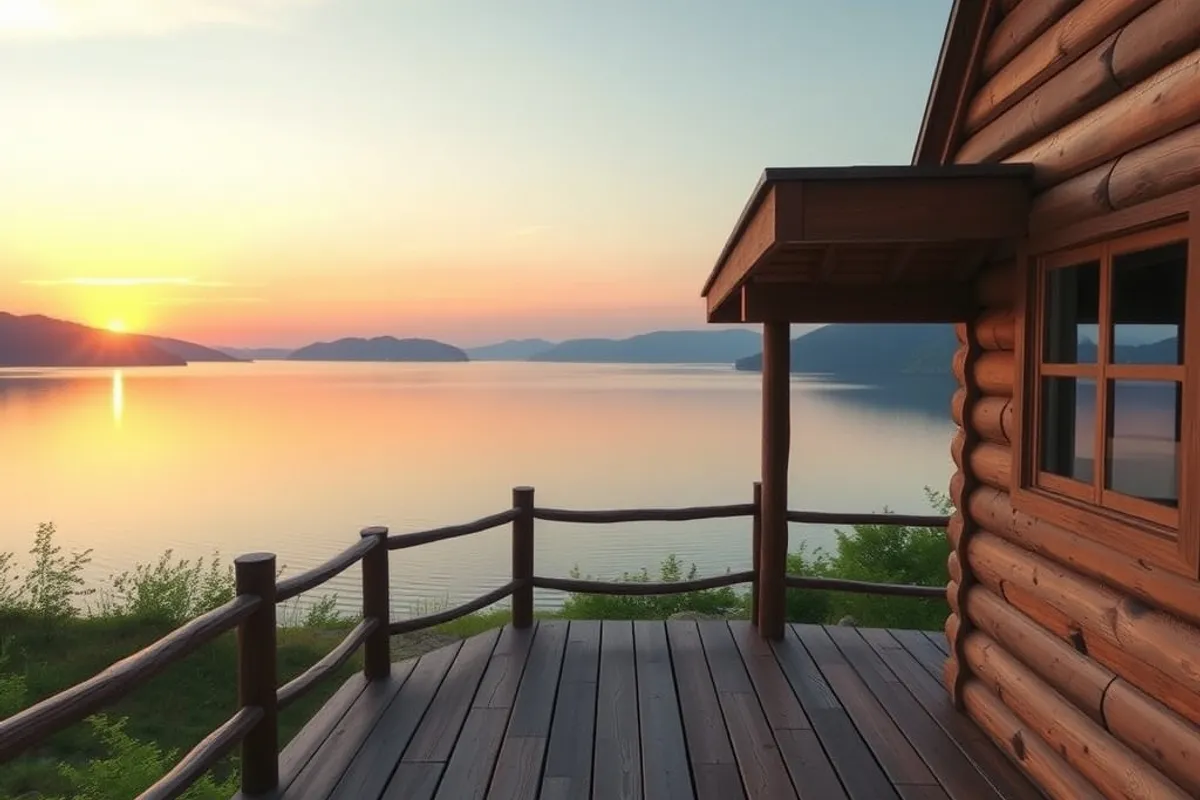
A lakeside cabin is sold on one promise: water at the end of the day. The listing photo shows a dock, a hammock and a sunset. The reality may be a view of a road, a shared beach across a highway, or a lake that is a ten-minute drive away. The difference is rarely fraud. It is loose language, wide-angle lenses and a map that hides a ridge. A careful reading before you book is the cheapest upgrade available.
Read the Map Before the Photos
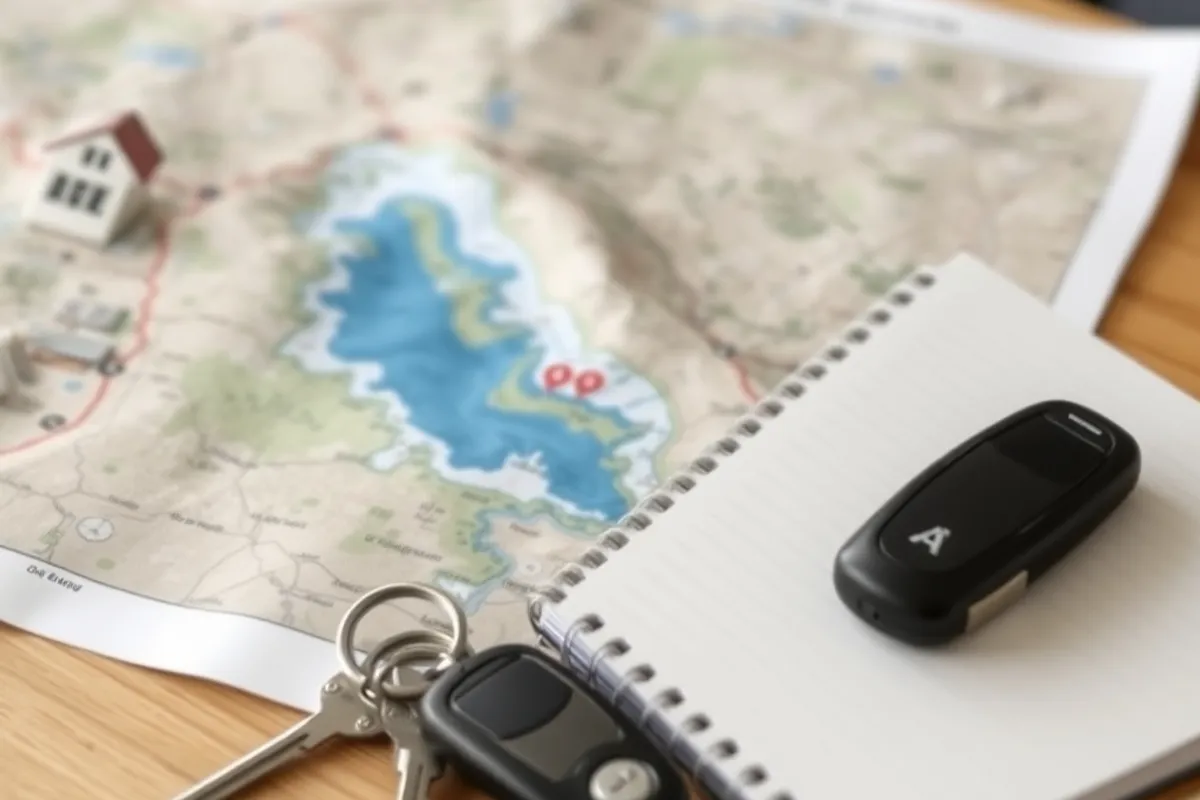
Open the listing location in a satellite view and a terrain map. Look for the road between the cabin and the water, the railway line, the marina and the neighboring houses. Check the distance to the shore and whether the shoreline is public or private. A cabin shown as lakefront may sit across a road with no direct access. That is fine if you know, and a disaster if you assumed otherwise.
Zoom out to see what is nearby. A paper mill, a busy boat ramp or a summer camp can change the noise and the view. Look at the nearest town for groceries and restaurants. A remote cabin is lovely until you realize the only shop closes at six and the drive is forty minutes each way.
Water Access Versus Water View
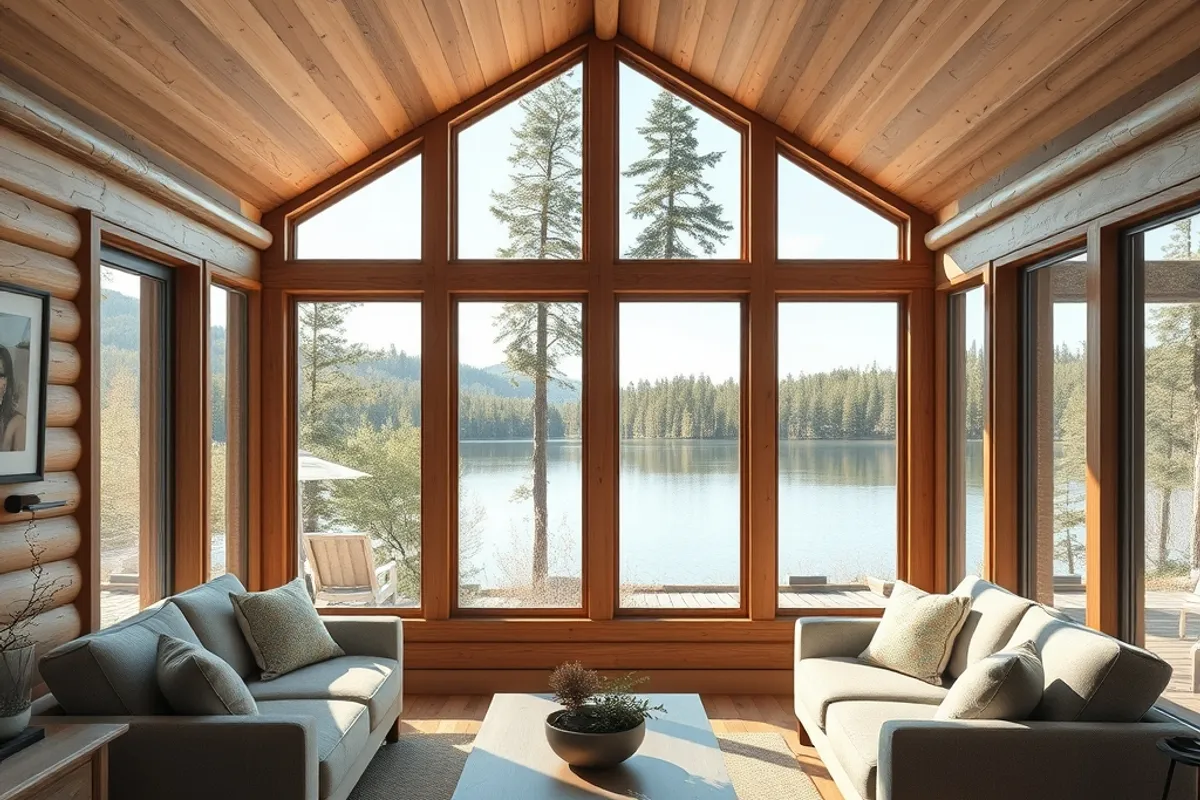
These are different products and listings often blur them. Water view means you can see the lake. Water access means you can reach it without crossing someone else's land or a public road. Lakefront means the property touches the shore, which still may not include a dock or a safe swimming area. Ask for the exact arrangement in writing.
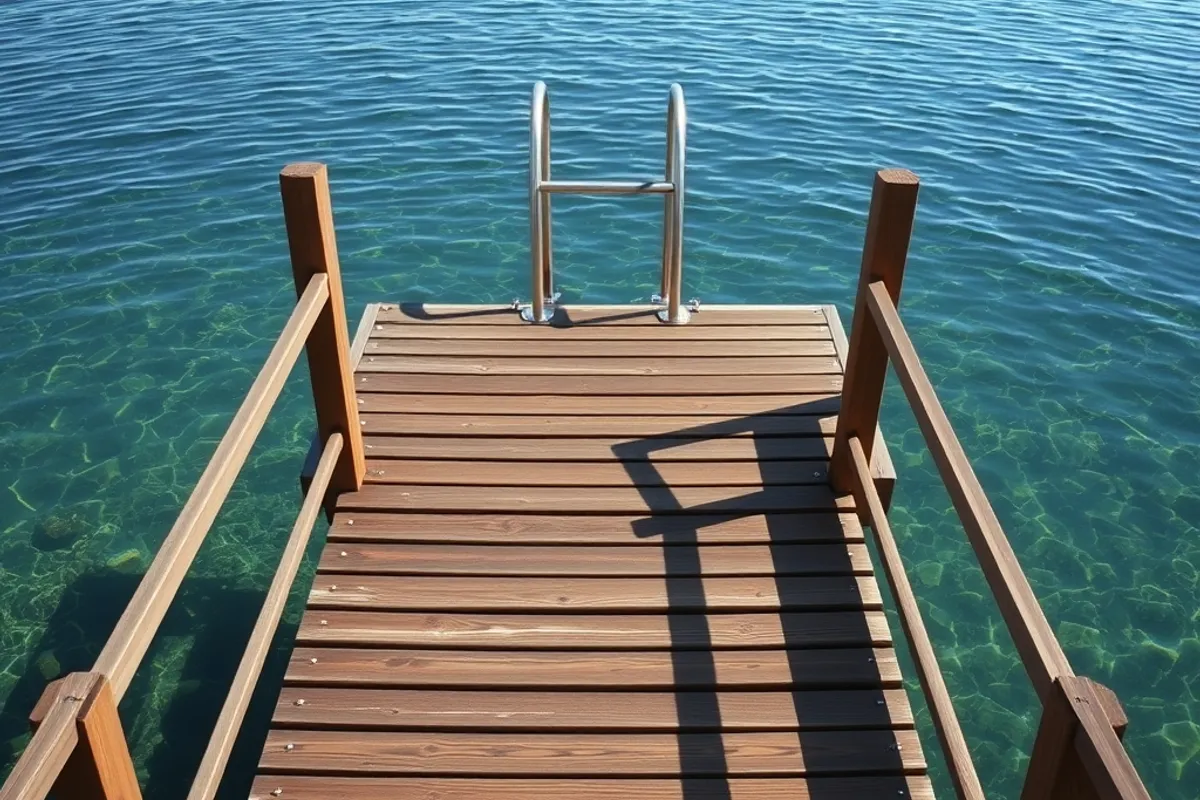
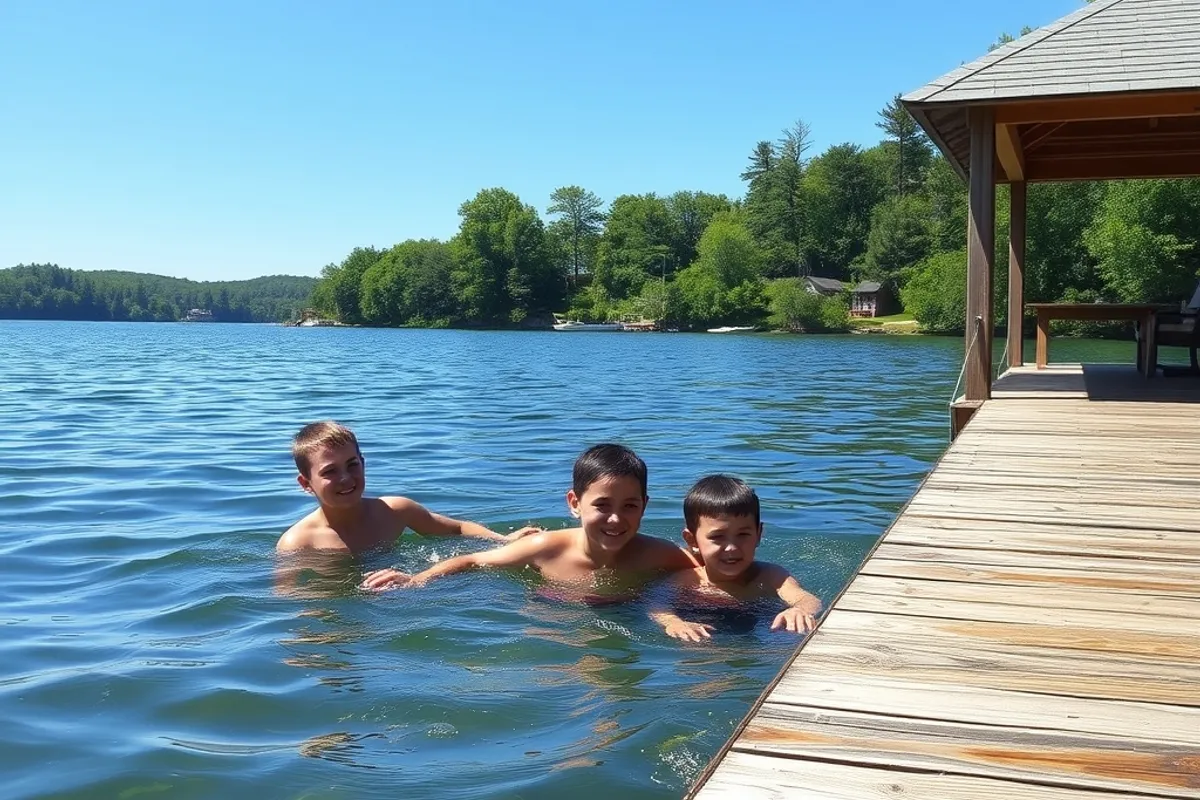
If swimming matters, ask about the bottom: sand, rock, weeds or mud. Ask about the depth at the end of the dock and whether there is a ladder. If you are traveling with children, ask about a shallow entry and whether the shore drops off. These details decide whether the lake is usable or just decorative.
- Confirm water access, not just water view
- Ask for the distance to the shore in meters
- Check road, rail and boat-ramp noise on satellite
- Confirm cleaning fee, taxes and minimum stay
- Ask for recent photos of the dock and shoreline
Photos to Request
Ask for a photo taken from the deck facing the lake, not a zoomed shot from the roof. Ask for a photo of the shoreline and the dock, and one of the view from the main bedroom window. Ask whether the photos are recent and whether the neighboring lot has been built on. A host who answers quickly with real images is a good sign. A host who sends the same brochure shots is not.
Use the listing's review history. Look for mentions of noise, smell, steep stairs, poor Wi-Fi and a long walk to the water. Reviews that complain about the same thing twice are a pattern. A single bad review about a broken kettle is not.
If the listing says steps to the lake, count them before you book.
Fees, Rules and the Real Price
The nightly rate is rarely the final number. Add the cleaning fee, service fee, local tourist tax and any pet or boat fee. Check the minimum stay; a weekend can be priced as three nights. Check the cancellation policy and whether the deposit is refundable. A cabin that looks cheap for two nights can cost more than a hotel once the fees land.
Read the house rules for quiet hours, guests, parties and pets. A strict rule is not a problem if it matches your trip. A vague rule is a risk, because the host can change expectations after you arrive. Ask about check-in time and whether the key is in a lockbox or handed over in person.
Season, Bugs and Weather
Lake cabins have seasons. Spring can be cold and wet; summer brings warm water and crowds; autumn is quiet and beautiful; winter may close the road. Ask whether the cabin has heating, air conditioning and a reliable hot water supply. Ask about the road in winter and whether a four-wheel drive is needed.
Ask about mosquitoes and ticks, especially near still water and tall grass. A screened porch is worth more than a fancy deck if the bugs are bad. Pack repellent and long sleeves for the evening. If the cabin has a fire pit, ask about fire restrictions and whether wood is provided.
Arrival Check
On arrival, walk the property before unpacking. Check the smoke alarm, the water pressure, the dock condition and the path to the shore. Photograph anything broken and send it to the host the same day. Locate the nearest shop and the emergency number. If the view is not what was promised, contact the host immediately rather than waiting until checkout; most platforms require a prompt report.
A good lakeside stay is simple: a clean cabin, a safe path to the water and a view you want to sit in front of. For the destination side, read our Lake Como getaway guide. Then pack light, arrive before dark and leave the phone inside for an hour.