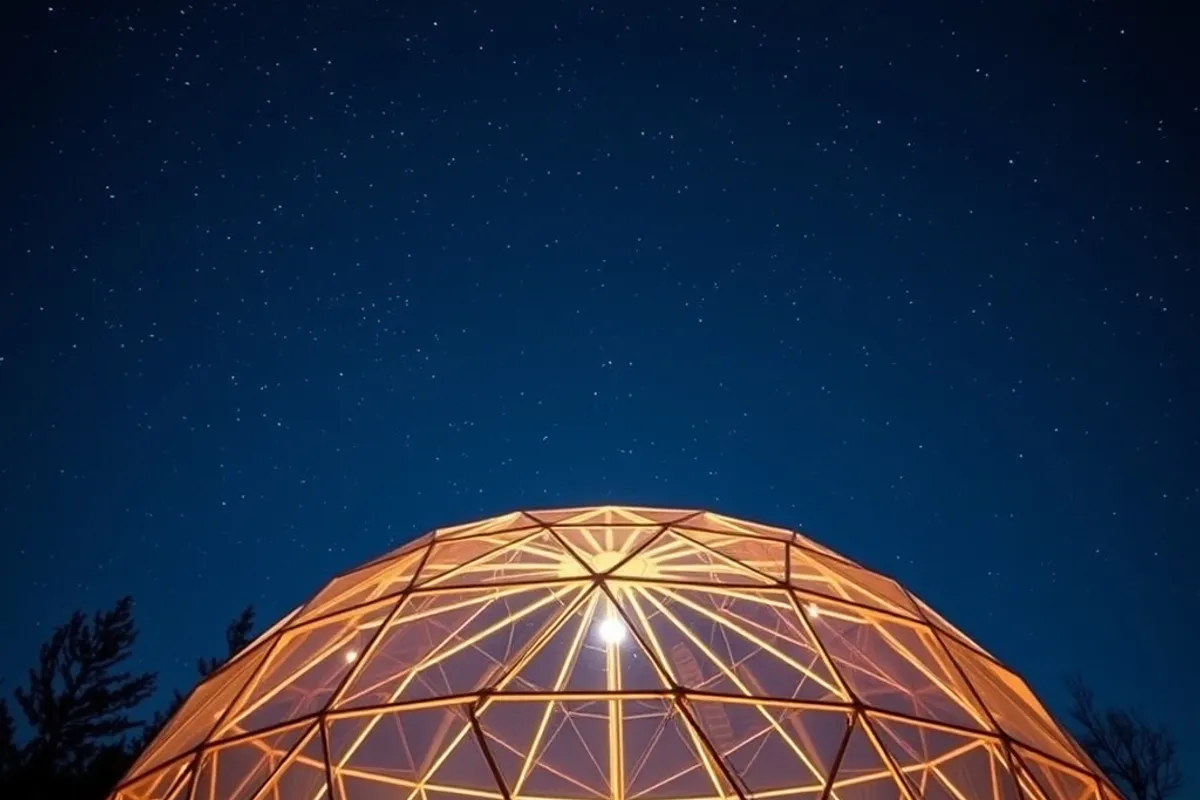
Glamping began as a shortcut: the outdoors without the leaking tent. It has since split into a dozen formats, each with its own strengths and its own way of disappointing guests. A geodome with a transparent roof is not the same stay as a canvas safari tent with a wood stove, even if both call themselves luxury camping. Pick the format that matches the weather and the people you are traveling with.
The Four Main Formats
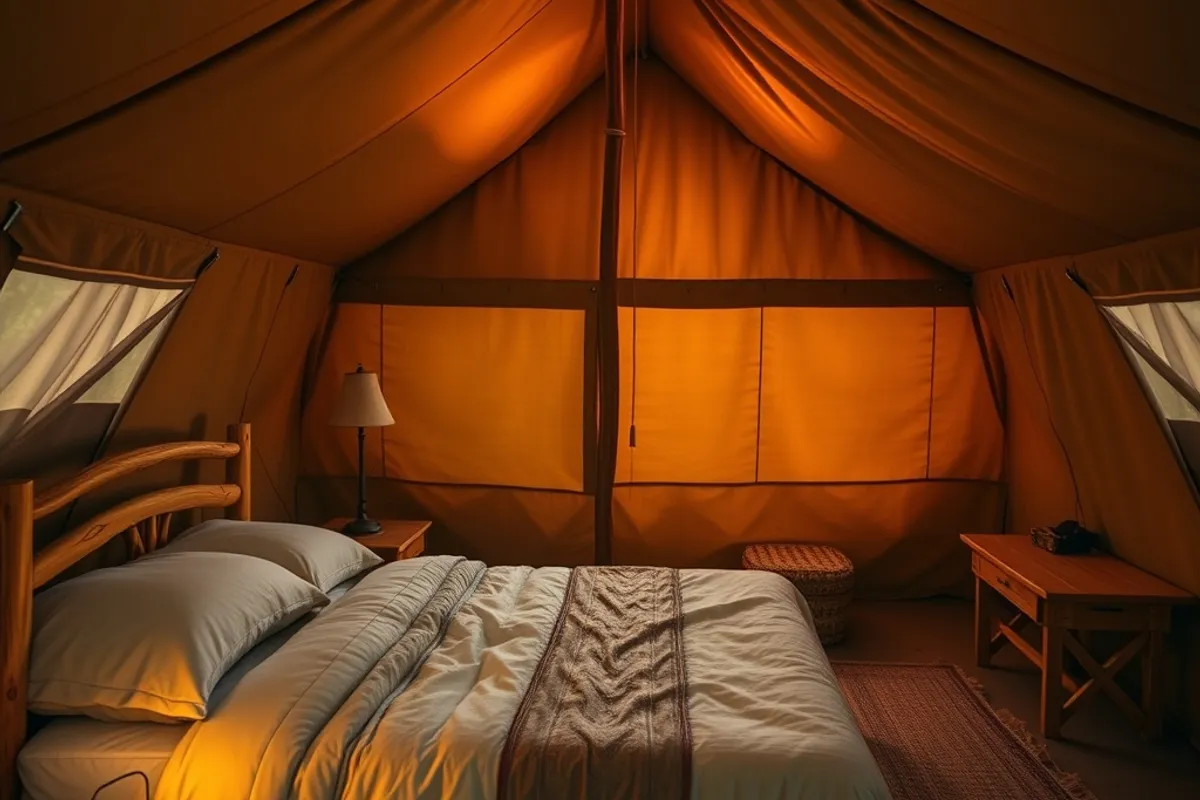
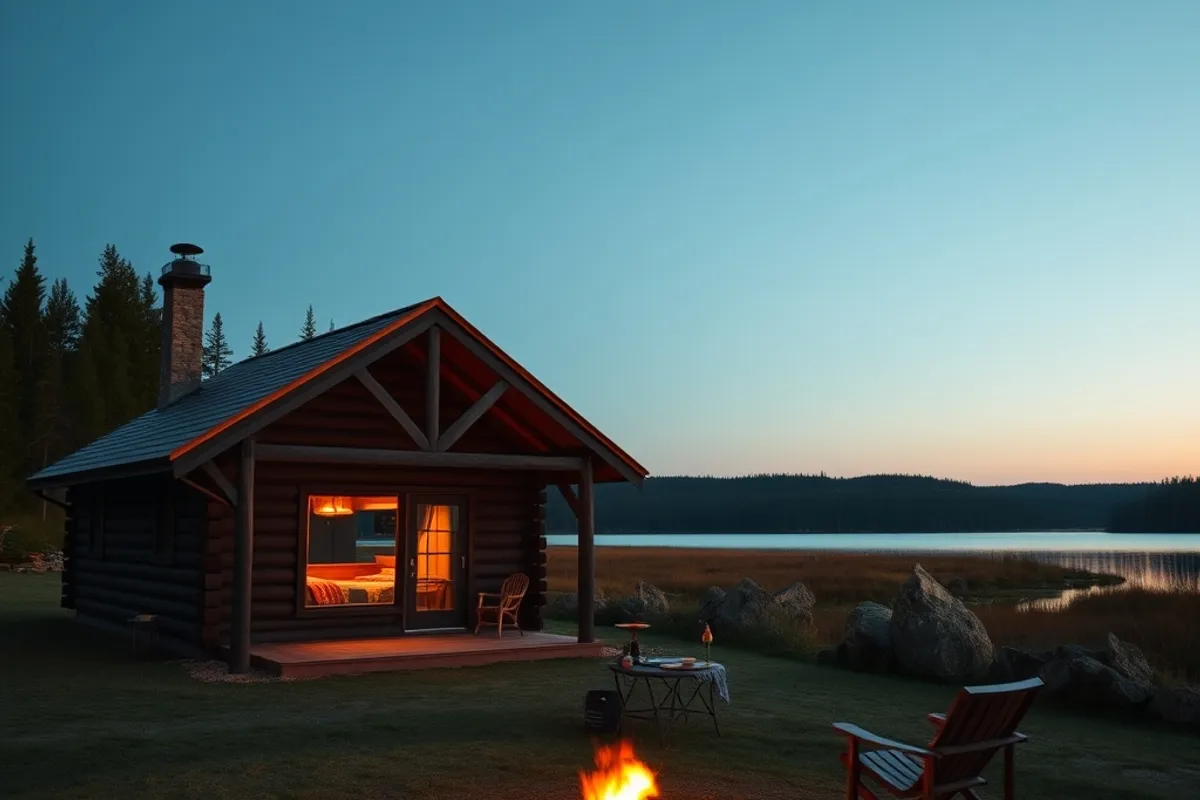
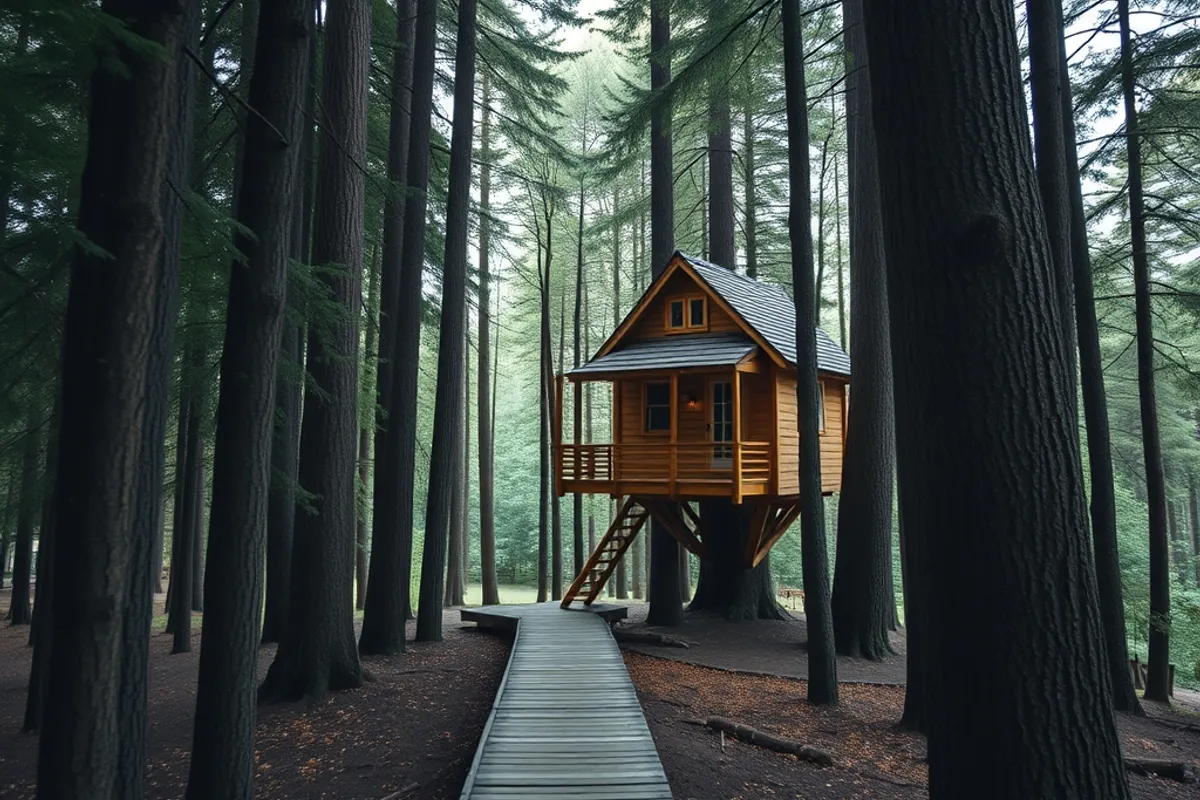
Geodesic domes offer a big open space and often a clear roof for stargazing. They heat unevenly, trap condensation and can be hot in direct sun. Safari tents are the most proven format: tall canvas walls, separate rooms and good ventilation. Cabins are the most weatherproof and the least adventurous; many are essentially small houses with a fire pit. Treehouses are the most memorable and usually the smallest, with stairs that are not ideal for young children or heavy luggage.
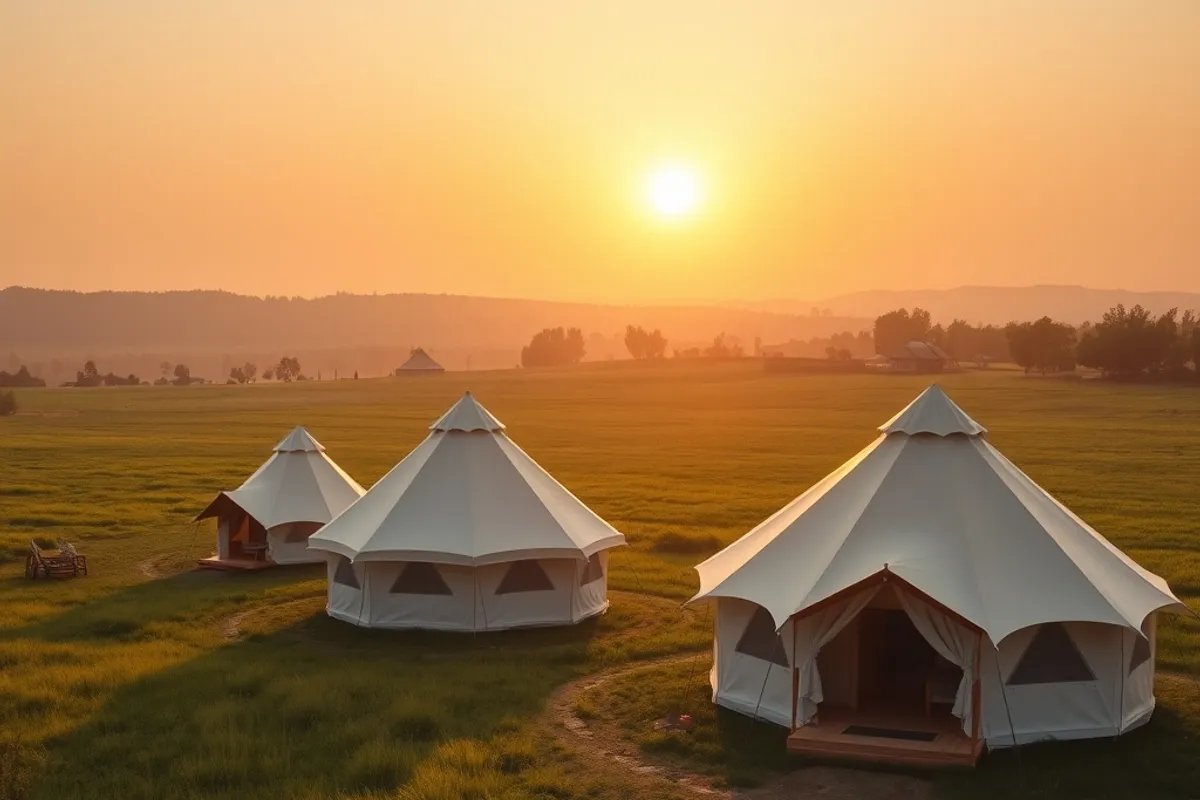
There are also pods, yurts, bell tents and converted wagons. A yurt is warm in cold weather and circular in a way that feels calm. A bell tent is beautiful in summer and hopeless in a storm. A pod is often a single room with a shared bathroom block. Read the description carefully; the format name is a clue, not a guarantee.
Comfort Tiers and What They Mean
Glamping has three rough tiers. The basic tier gives you a real bed in a tent with shared bathrooms and a communal kitchen. The mid tier adds a private bathroom or an en-suite shower, electricity and breakfast. The top tier offers a wood-fired hot tub, a private deck, a chef and a view that justifies the price. None of these tiers is inherently better; they simply cost different amounts and ask different things of you.
Ask about the bathroom before anything else. A shared bathroom a two-minute walk away is fine in summer and miserable at 2am in the rain. Ask about heating, bedding and towel quality. A cold bed ruins a glamping stay faster than any view can save it.
- Basic bell tent or pod: 60 to 120 euros per night
- Safari tent with private bathroom: 150 to 300 euros per night
- Dome with hot tub and view: 300 to 600 euros per night
- Treehouse or premium cabin: 250 to 500 euros per night
- Typical stay: 2 to 3 nights, often as a weekend break
Weather Decides More Than Design
Canvas breathes; plastic does not. A dome or pod can become a greenhouse in July and a cold box in October. A safari tent with proper ventilation and a wood stove handles a wider range. A cabin is the safest choice in wind and rain. If you are booking a dome for the stars, check the climate and the month; a cloudy, cold night under a clear roof is not the experience the photos promised.
Ask about the power supply. Some sites run on solar with limited outlets; others have full electricity. Ask whether the hot water is instant or a tank that runs out. In winter, ask how the unit is heated and whether the path is cleared. A wood stove is charming and also a chore; know who lights it.
The view gets you to book. The bathroom and the bed decide whether you return.
Families, Couples and Groups
Families should prioritize a cabin or a safari tent with two rooms and a private bathroom. Domes look fun to children and feel cramped after a rainy afternoon. Treehouses are magical but often unsuitable for toddlers. Check the age policy for hot tubs and the distance to the nearest safe play area.
Couples can trade space for atmosphere. A dome or a treehouse for two is a memory; a large cabin for two can feel like a rental house. Groups should look for a site with several units and a shared cooking area, and confirm whether noise carries between tents. A group of ten in a quiet site is a problem for everyone else, so ask about the site's policy before you book.
Pricing and How to Vet a Listing
Compare the all-in price for two nights: accommodation, cleaning, taxes and any hot-tub or breakfast fee. A cheap tent with a 60-euro cleaning fee and a 30-euro firewood charge is not cheap. Check the cancellation policy and whether the site requires a minimum stay. Ask what is included: bedding, towels, coffee, breakfast, firewood, parking.
Read recent reviews for the words cold, damp, noisy and far. Look at the host's responses; a host who addresses a problem is better than one who argues. Ask for a photo of the bathroom and the path at night. If the site is off-grid, ask about phone signal and the nearest town. For a weekend, two hours is fine; for a week, isolation gets old.
How to Choose in One Minute
If the weather is uncertain, choose a cabin. If the point is stars and romance, choose a dome in a dry season with a private bathroom. If you want the classic glamping experience, choose a safari tent with a wood stove and an en-suite. If you want to remember the trip, choose the treehouse and pack light.
Once you have booked, read our glamping packing and etiquette guide. Most disappointment at a glamping site comes from packing for a hotel when you are staying in a tent with better sheets.