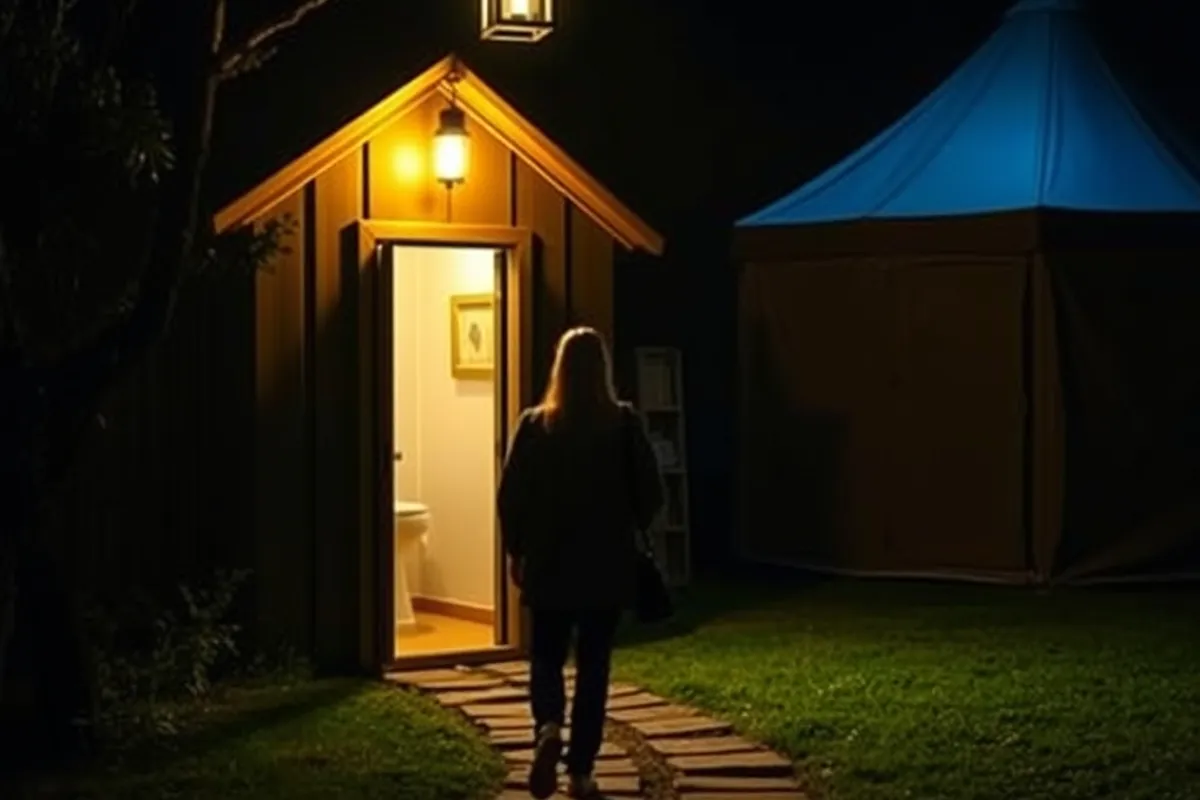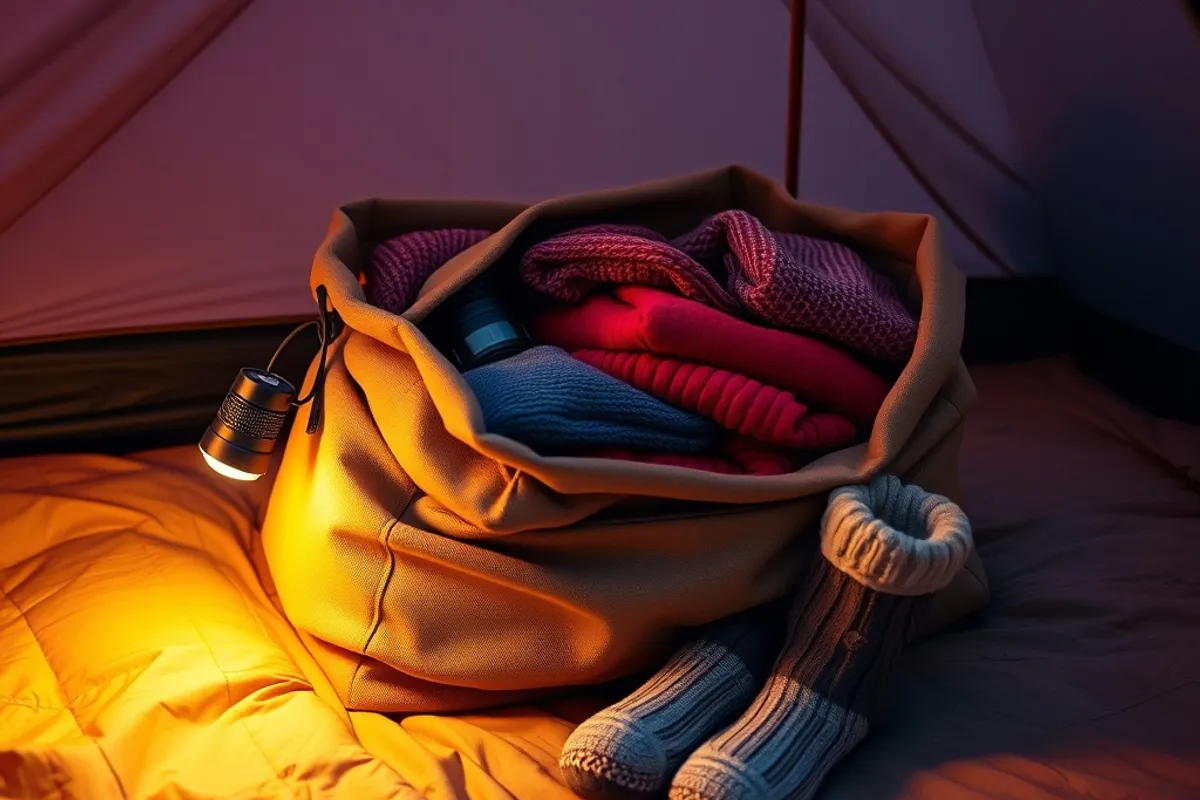
Glamping is a hybrid, and guests arrive with one of two wrong assumptions. Some pack as if they are backpacking, then find themselves underdressed for a cool evening on a deck. Others pack as if they are checking into a hotel, then discover the bathroom is a short walk through wet grass. The right kit sits in the middle: warm layers, a headlamp, shoes you can slip on at night and a tolerance for thin walls.
Pack Like a Cabin Guest, Not a Camper
Bring the comfort items a tent cannot provide: warm socks, a beanie, a soft fleece and a small hot-water bottle if the nights are cold. Bring a real towel if the listing is vague about what is included, and a spare pair of shoes so one pair can dry. A sleep mask and earplugs are worth their weight when the canvas brightens at dawn and the site has a communal fire pit.
Leave the hard suitcase at home. Soft bags fit under a bed and through narrow walkways. A small daypack is useful for the bathroom block, the trail and the shop. Label your food if the site has a shared kitchen; people are honest and also forgetful.
- Warm socks, fleece and a beanie for cool nights
- Headlamp and a small power bank
- Slip-on shoes for the midnight bathroom walk
- Earplugs and a sleep mask for thin canvas walls
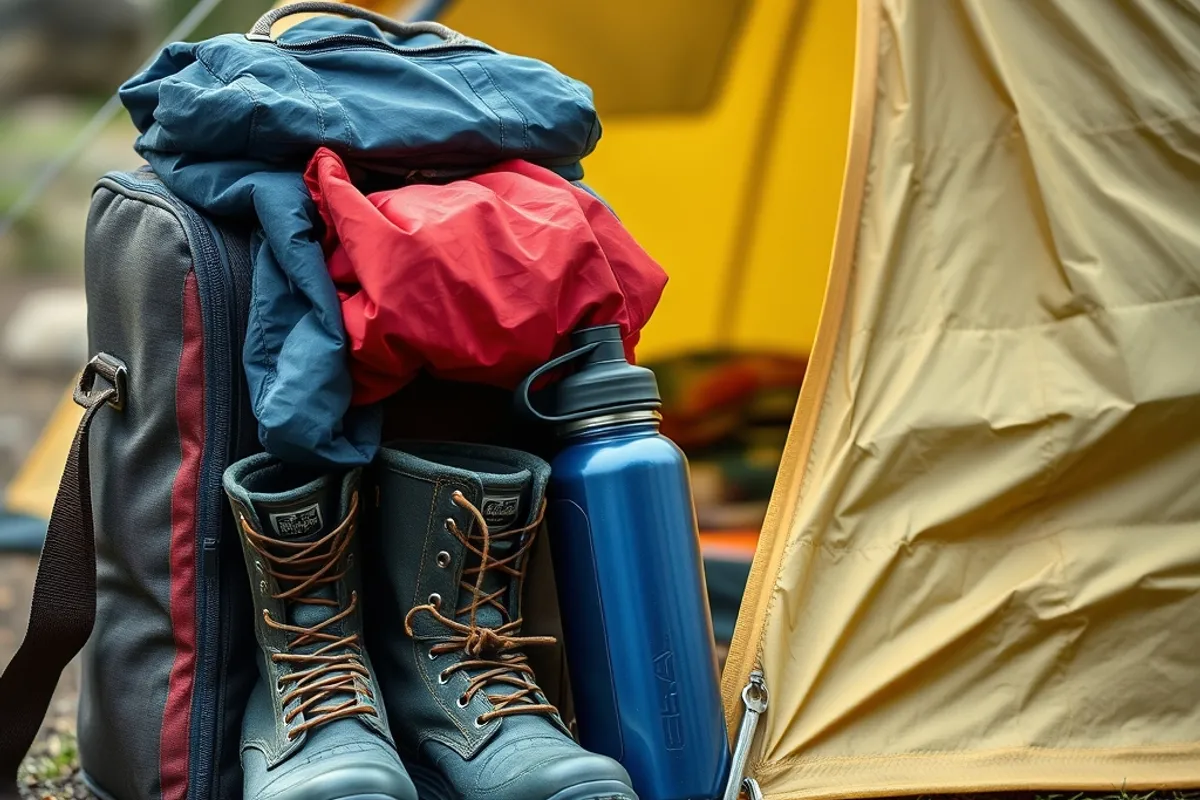
- Reusable water bottle and a small dry bag
Layers and Footwear
Even in summer, a tent cools fast after sunset. Bring one more layer than you think you need. Quick-dry trousers are better than jeans if the grass is wet. A light rain jacket earns its place in any season, and a pair of sturdy shoes for uneven ground is more useful than a second pair of sandals.
If there is a hot tub, bring a swimsuit and a towel dedicated to it. If there is a wood stove, bring a warm hat for the middle of the night. If the site is in a field, bring shoes you can hose off. Practical beats photogenic when the path turns to mud.
Pack for the walk to the bathroom, not for the photo on the deck.
Power, Light and Morning Coffee
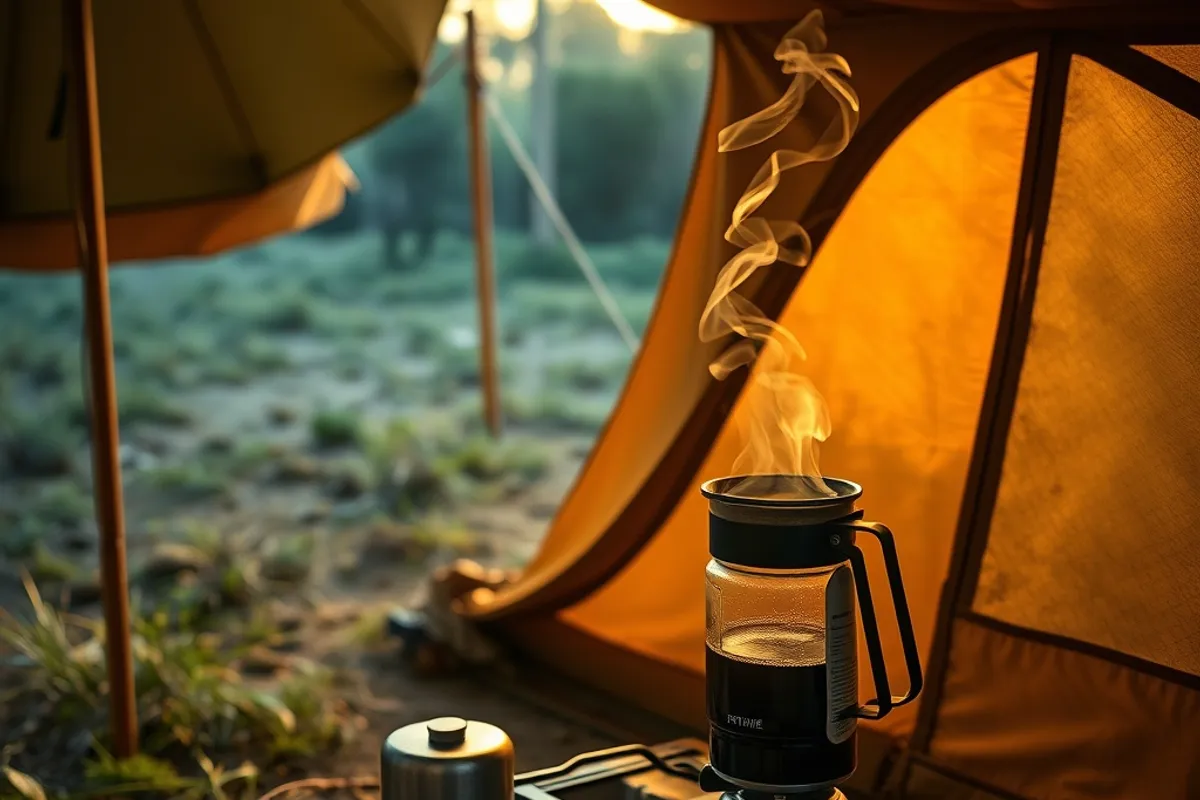
Check the power situation before you arrive. A solar-powered tent may have one USB outlet and no hairdryer. A cabin may have full mains power. Bring a power bank, a short charging cable and a small headlamp. A portable coffee setup is a kindness if the site does not provide it, but check first; some sites ban open flames and camp stoves.
Bring a refillable water bottle and ask whether the tap water is drinkable. If not, the site usually sells filtered water or provides a dispenser. A small cooler is useful for snacks and drinks, but do not leave food out overnight; it attracts animals and insects.
Food, Drink and Shared Spaces
If the site has a shared kitchen, keep it clean and label your items. Wash up immediately rather than leaving dishes in the sink. Do not take another guest's food, even if it looks abandoned. If you brought a cooler, keep it closed and store it away from the sleeping areas.
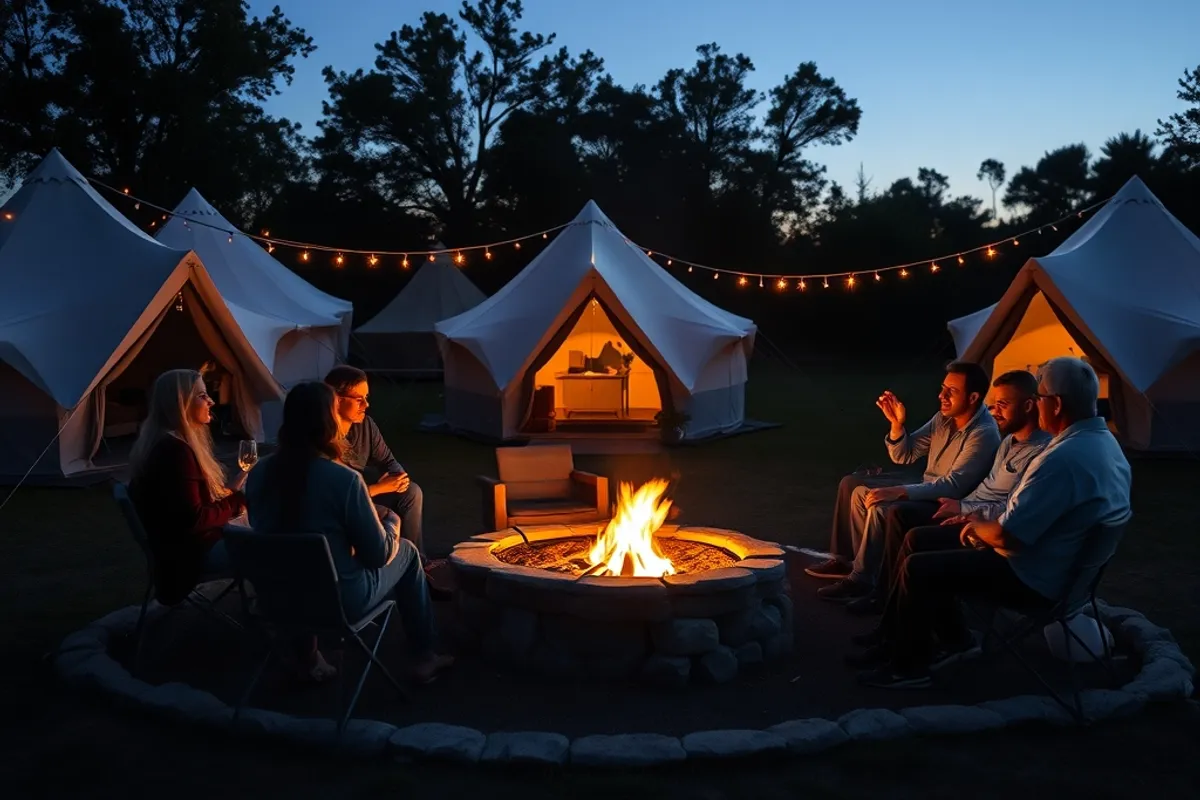
Ask about fire rules before you light anything. Many sites provide a communal fire pit and ban individual fires. Do not gather wood from the surrounding land; it is usually protected and often damp. If alcohol is allowed, keep it moderate and quiet, especially after 10pm.
Shared Bathrooms and Quiet Hours
Shared bathrooms work when everyone follows the same small rules. Wipe the sink, take your hair out of the drain and do not occupy the only shower for twenty minutes at peak time. Wear shoes. Use a toiletries bag so you are not leaving bottles on the counter. If the site has a composting toilet, read the instructions; they are simple and unfamiliar.
Quiet hours exist for a reason. Canvas does not block sound, and a normal conversation at midnight carries across the whole field. Keep voices low after the posted hour, use headphones for music and avoid slamming car doors. If you are traveling with children, bring a quiet activity for the evening and explain the site rules before arrival.
Wildlife and Leaving No Trace
Do not feed animals, even the cute ones. Keep food sealed and inside a vehicle or a secure box. Do not leave crumbs on the deck; they attract insects and then larger guests. Stay on marked paths, especially at night, and use a headlamp rather than a phone torch so your hands are free.
Take everything out that you brought in, including bottle caps and food packaging. Leave the fire pit clean and the furniture where you found it. A good glamping guest is almost invisible: quiet, tidy and easy on the site. If you are still choosing a format, read our guide to glamping stays for 2026 and pack for the unit you actually booked.
The secret to glamping is not gear. It is matching your expectations to the walls around you, then enjoying the parts that are better than a hotel: the fire, the stars and the excuse to go to bed early.