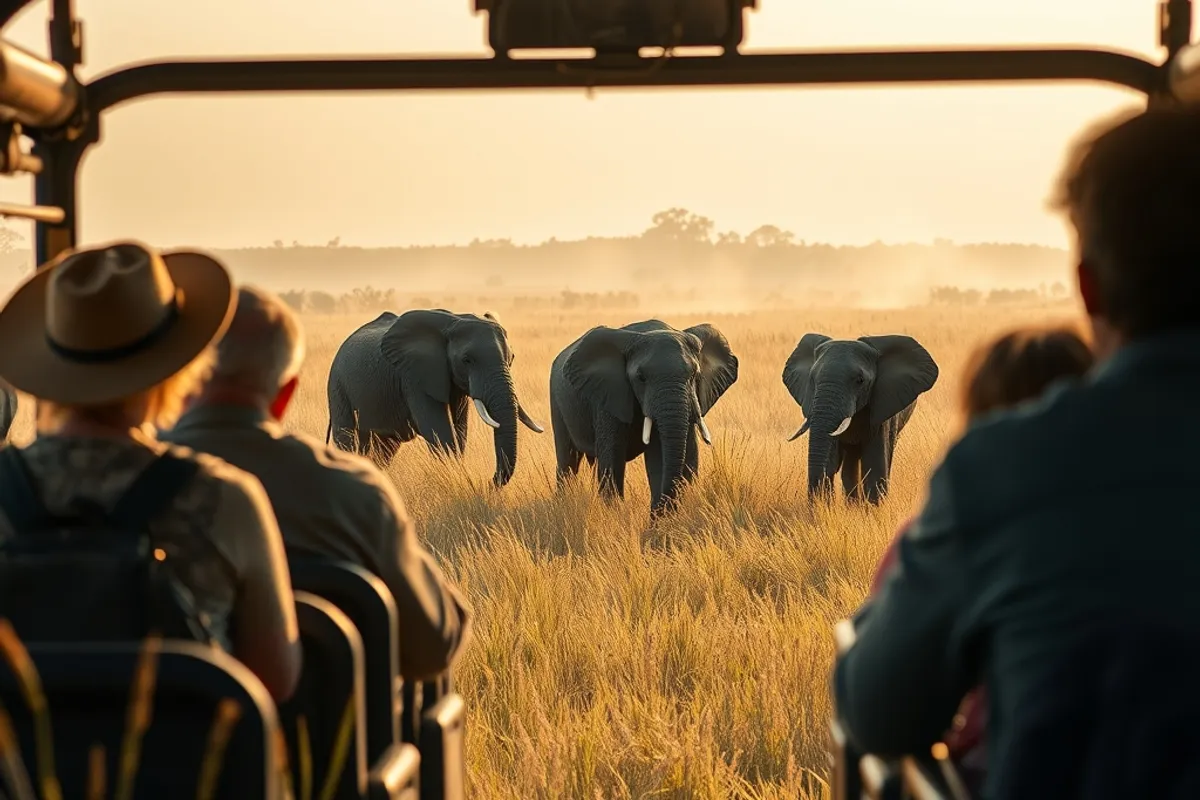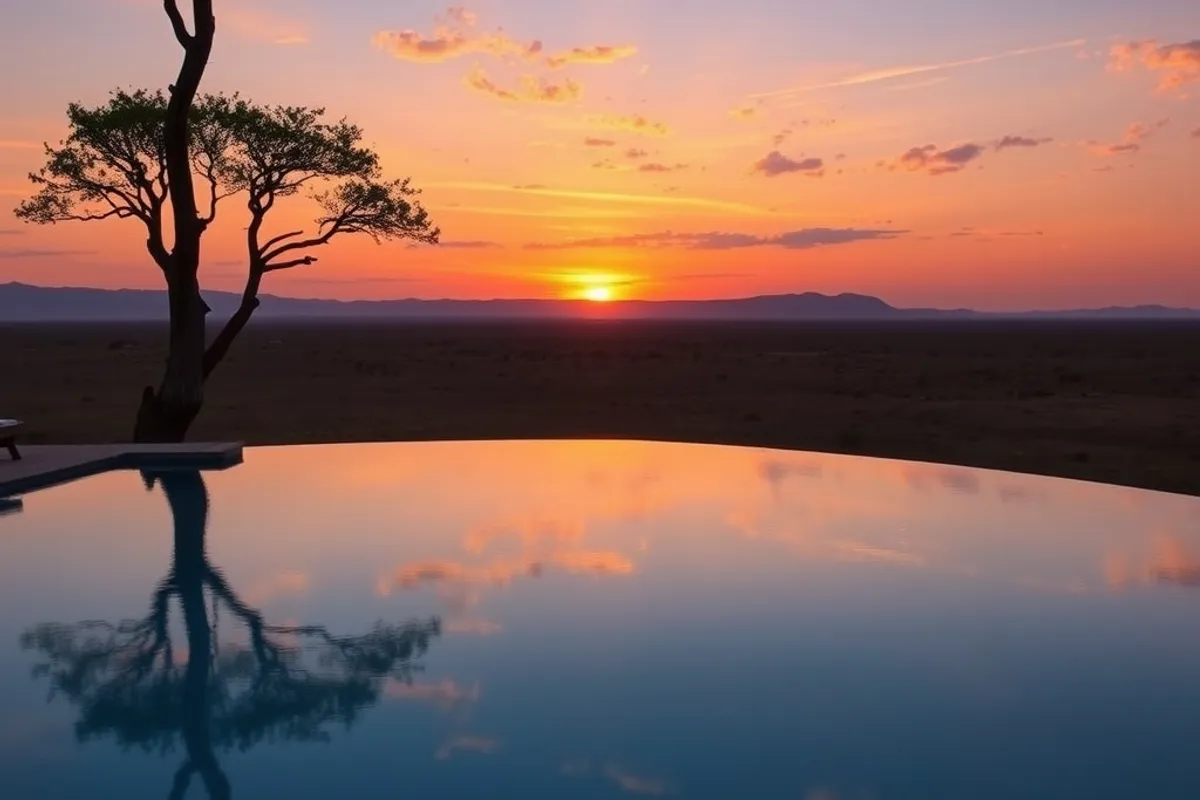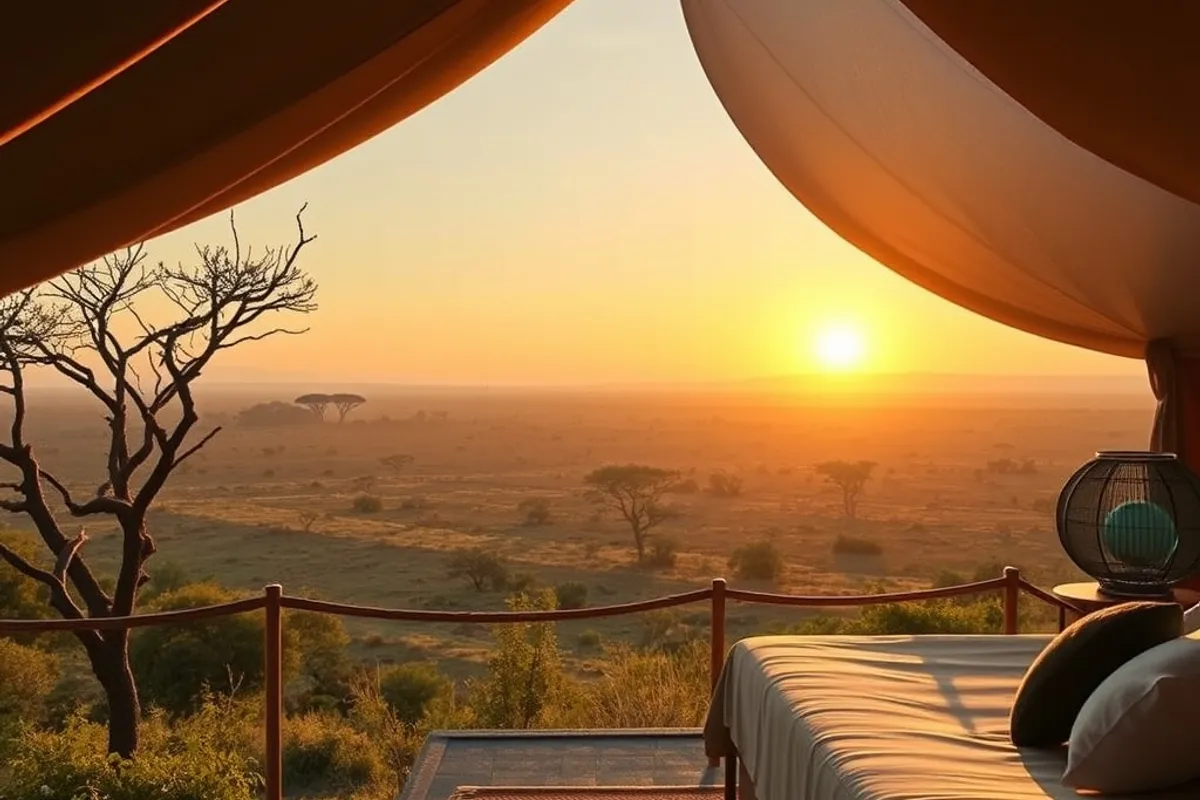
A Serengeti safari is sold as a luxury product and planned like a military exercise. The lodges all show infinity pools and acacia trees at sunset. The difference that matters is invisible in the brochure: how far the vehicle drives before the first animal, how many other cars share the sighting, and whether dinner is still warm when you finally get back. Choose the location first and the thread count second, and the trip improves on day one.
What a Serengeti Safari Really Costs in 2026
Prices are usually quoted per person per night, including meals and two game drives. A comfortable tented camp runs about $350 to $600 per person per night in high season. A mid-range lodge with a pool and permanent bathrooms lands around $500 to $900. The top lodges and private conservancies charge $1,200 to $2,500 and up, and a few exceed that during the migration. Park fees, guide wages and fuel are inside those numbers at most camps, so always ask what the quote excludes.
International flights, visas and gratuities sit outside the nightly rate. Budget $1,200 to $2,000 for a return flight from Europe or North America, and around $20 to $30 per day in tips for a shared vehicle. A seven-night trip for two commonly totals $9,000 to $18,000 all in, which is why the location decision deserves more than an afternoon of scrolling.
- Comfortable tented camp: $350 to $600 per person per night
- Mid-range lodge with pool: $500 to $900 per person per night
- Premium lodge or private conservancy: $1,200 to $2,500 plus
- Park fees and guide costs: usually included, confirm in writing
- Tips and drinks: $25 to $45 per day, often cash
Location Beats Luxury Every Time
The Serengeti is roughly the size of Belgium and the animals move. A beautiful lodge in the wrong zone means two hours of driving before the good game viewing starts. In the central Seronera area you get year-round wildlife and easy access, but also the most vehicles. The western corridor is quieter and best from May to July when the migration passes. The northern Serengeti is superb from July to October, and the southern plains come alive from December to March with calving herds.
Ask the camp which zone it sits in and what the drive time is to the nearest gate and airstrip. A lodge twenty minutes from the airstrip saves half a day of transit. A lodge inside a private conservancy can offer walking safaris and night drives that national-park camps cannot, which is often worth more than a larger room.
The Four Lodge Styles
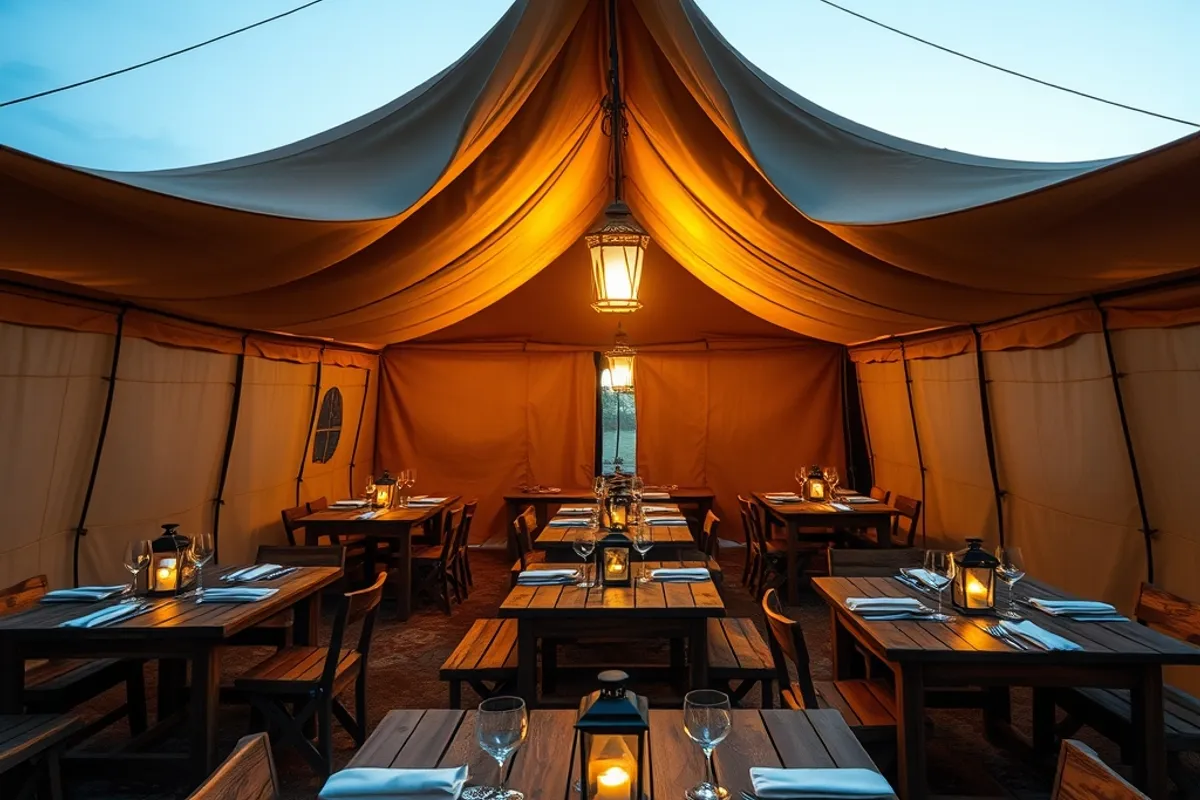
Tented camps are the classic choice: canvas walls, bucket showers or plumbing, and a strong sense of being inside the landscape. Permanent lodges add solid walls, pools and sometimes air conditioning, which matters in the hot months. Mobile camps follow the migration and are dismantled between seasons, so comfort is simpler but the wildlife is close. Private conservancy camps trade national-park access for exclusivity, off-road driving and fewer vehicles at a sighting.
Do not assume canvas means roughing it. A good tented camp has a real bed, solar power, hot water and a chef. Do assume that noise travels. If you need silence to sleep, ask whether the camp is near a generator or a staff village.
Pick the zone, then the camp. The animals do not read the star ratings.
Season Timing Changes Everything
High season in the Serengeti is roughly June to October, when the weather is dry and the migration is in the north. It is also when prices peak and the popular camps sell out a year ahead. The short rains fall in November, and the long rains from March to May bring green grass, fewer tourists and lower rates, often 30 to 50 percent below high season. Some camps close entirely in April.
Shoulder months are the value play. Late October and early November can be excellent before the rain settles in. January and February offer calving season in the south and good birding, with afternoon thunderstorms that usually clear. If price matters more than perfect weather, the green season is not a compromise; it is a different, quieter trip.
What to Ask Before You Book
Ask how many game drives are included per day and whether they are shared or private. Ask whether the vehicle has open sides, a pop-up roof and guaranteed window seats for every guest. Ask what happens on a full-day drive: does the camp pack a breakfast and lunch, or does the vehicle return to base at noon? The answer changes the shape of your day.
Confirm the park fee situation in writing. Some quotes include it, some add it at the gate, and the difference can be several hundred dollars for a family. Ask about water, electricity hours and Wi-Fi, then decide how much you care. Ask about medical evacuation cover, which reputable operators include or arrange. And ask the age policy for children on game drives; it varies more than you would expect.
Building a Realistic Budget
Start with the number of nights, not the nightly rate. Seven nights is a good first safari: three in one zone, three in another, one night near the airstrip. Two nights in a single camp is usually too short to settle in. Add a buffer day in Arusha at the start in case a flight is delayed and your luggage arrives late.
Spend the extra money on a private vehicle before you spend it on a suite. A private guide can follow the light, wait at a sighting and change the plan without a committee meeting. That is the upgrade most guests remember. For the clothing and gear side, read our safari lodge packing list before you buy anything new.
Finally, read the cancellation terms. Safari operators often require a deposit months ahead and the balance before arrival. Travel insurance that covers trip interruption is not optional at these prices. Book with a company that answers questions before you pay, because the same team will be solving problems while you are in the bush.