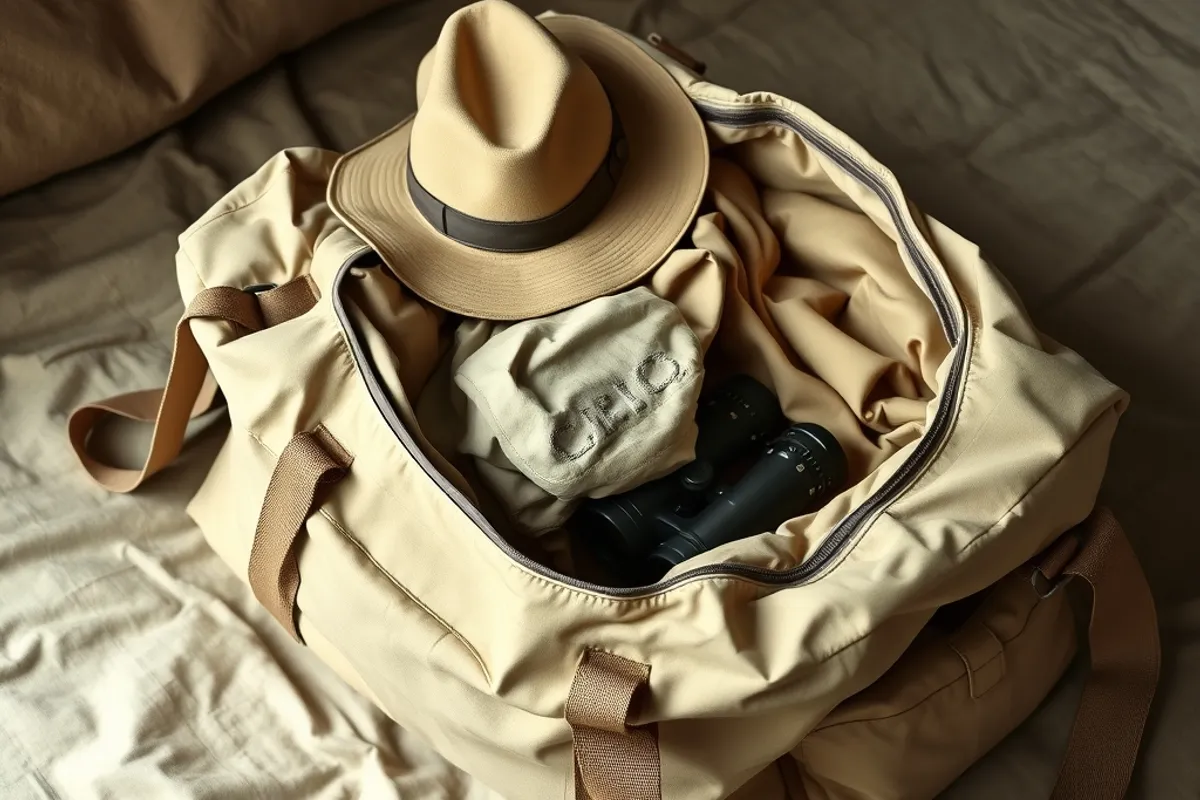
Safari luggage has one job: keep you comfortable from a 5:30am drive to a late dinner without turning the vehicle into a wardrobe. Most first-timers overpack for the wrong weather and underpack for the right one. Dawn in the Serengeti can be cold enough for a fleece, and midday can burn through a light shirt in an hour. A small, layered kit beats a large suitcase every time.
The One-Bag Rule
Light aircraft and bush flights often limit luggage to 15 kilograms or 33 pounds in a soft bag. Wheels and hard shells are awkward in a small cabin and sometimes refused. Check the limit with your operator before you buy anything. If you are moving between camps, a soft duffel that compresses is worth more than a stylish case that does not fit behind the seat.
Plan on laundry rather than volume. Most lodges offer same-day laundry at a reasonable price, and hand-washing a few items in the sink works fine in dry air. Five days of clothing can stretch to ten with a wash cycle, which frees space for camera gear and a proper jacket.
- Soft duffel, 15 kilograms or the operator's stated limit
- Neutral colors: khaki, olive, stone and light brown
- One warm mid-layer and one windproof shell
- Two pairs of broken-in shoes, never new boots
- Copies of passport, insurance and vaccination records
Clothing That Works
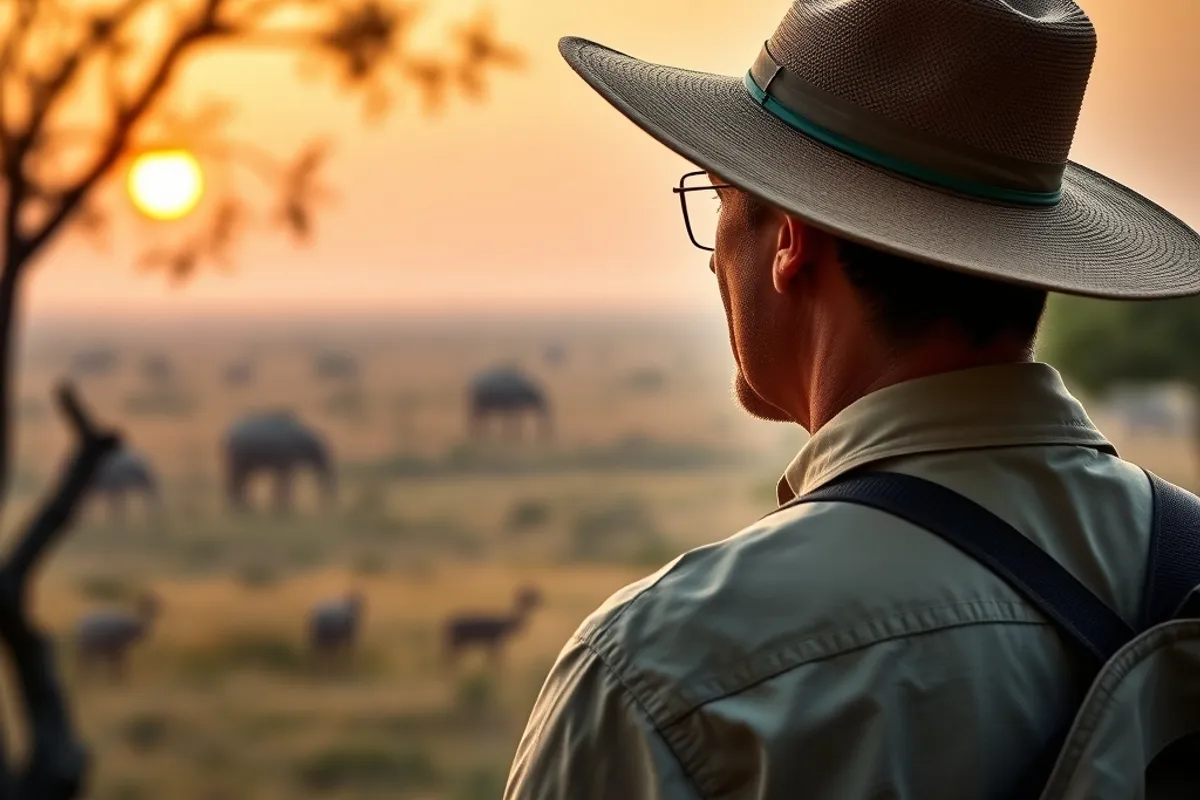
Wear muted colors. Bright white and dark blue attract tsetse flies in some areas, and neon ruins photographs and blends badly with the landscape. Avoid camouflage clothing in Tanzania and Kenya, where it can be restricted. Long sleeves and long trousers are not just modest; they protect against sun, insects and thorny bushes on a walking safari.
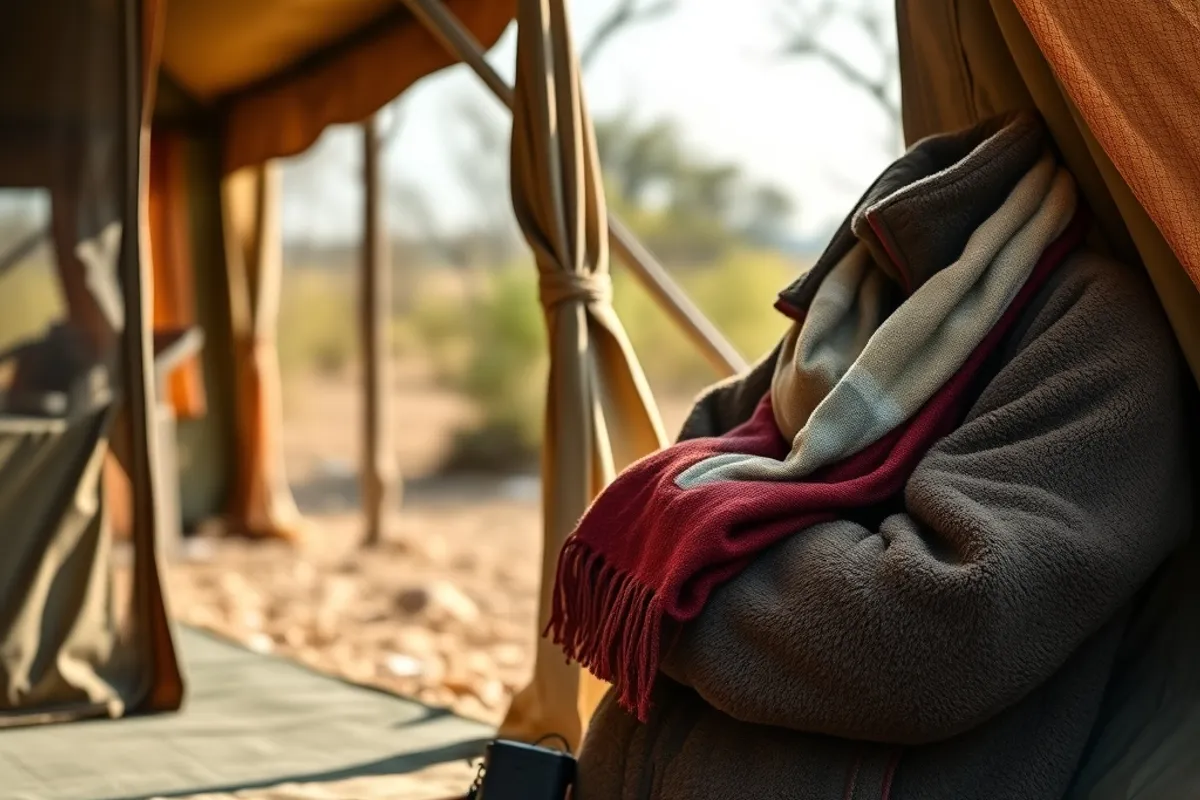
Bring one smart-casual outfit for dinner. Some lodges are relaxed, others dress for the evening, and a clean shirt covers both. A light scarf or sarong handles sun, dust and a chilly open vehicle in one item. Skip the heavy jeans; they are hot, slow to dry and uncomfortable on a long drive.
Layers for Cold Dawns and Hot Noons
The temperature swing is the part people forget. A typical day starts near 12 to 15 degrees Celsius, climbs into the high twenties by noon, then drops fast after sunset. A base layer, a warm fleece or light down jacket, and a windproof outer layer handle the whole range. Gloves and a beanie feel excessive until you are moving at speed before sunrise.
Choose quick-dry fabrics over cotton for the base layer. Cotton holds sweat and takes hours to dry after a river crossing or an unexpected shower. A wide-brim hat with a chin strap stays on in an open vehicle. Sunglasses with a strap and high UV protection are not a fashion choice on the equator.
Dress for the hour before sunrise, and carry the shirt you will want at noon.
Camera, Power and Dust
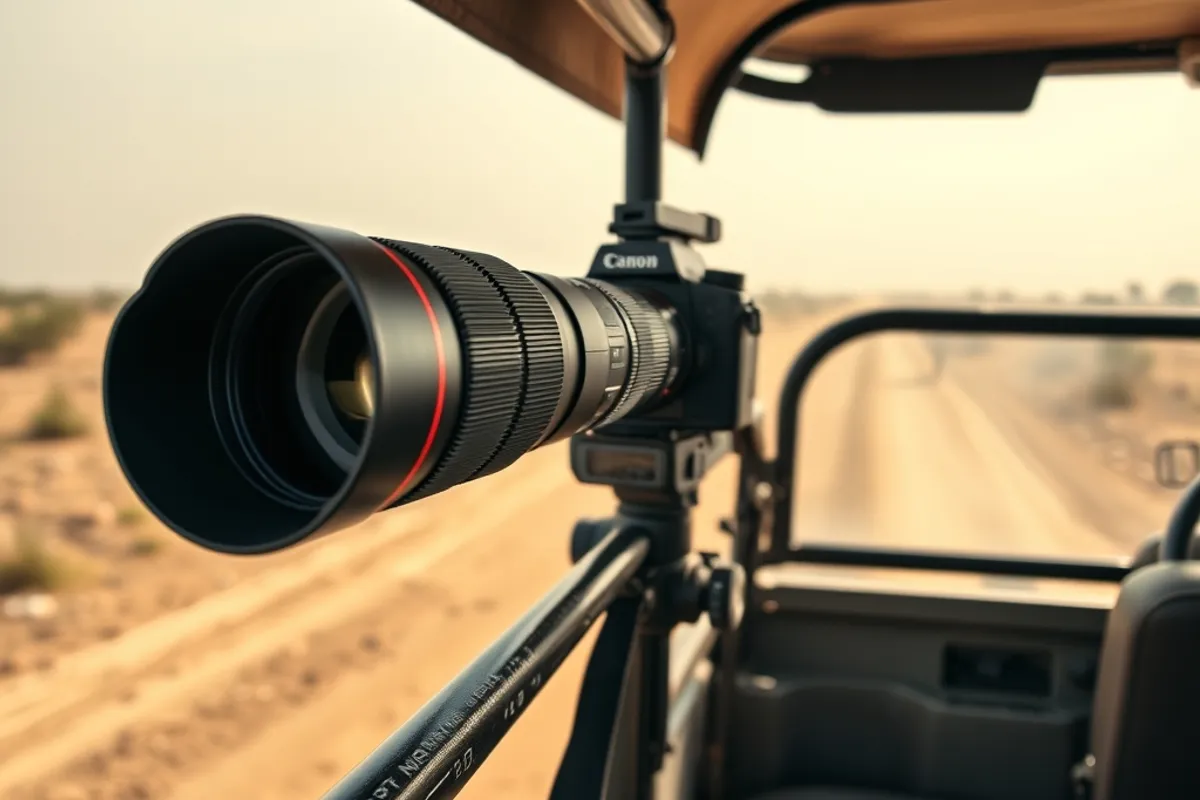
You do not need a professional lens to enjoy a safari, but reach matters. A 200 to 400mm zoom covers most sightings, and a compact camera with a good zoom beats a phone for distant animals. Bring more memory than you think you need, because a single good sighting can produce hundreds of frames. A bean bag or a small cloth sack steadies the lens on the vehicle rail far better than a tripod you will not carry.
Dust is relentless. A sealed dry bag for the camera and a microfiber cloth for the lens save the day. Bring a spare battery and a power bank; some camps run generators only at certain hours. A universal adapter and a short extension lead are small but useful when the only socket is behind the bed.
Health and Documents
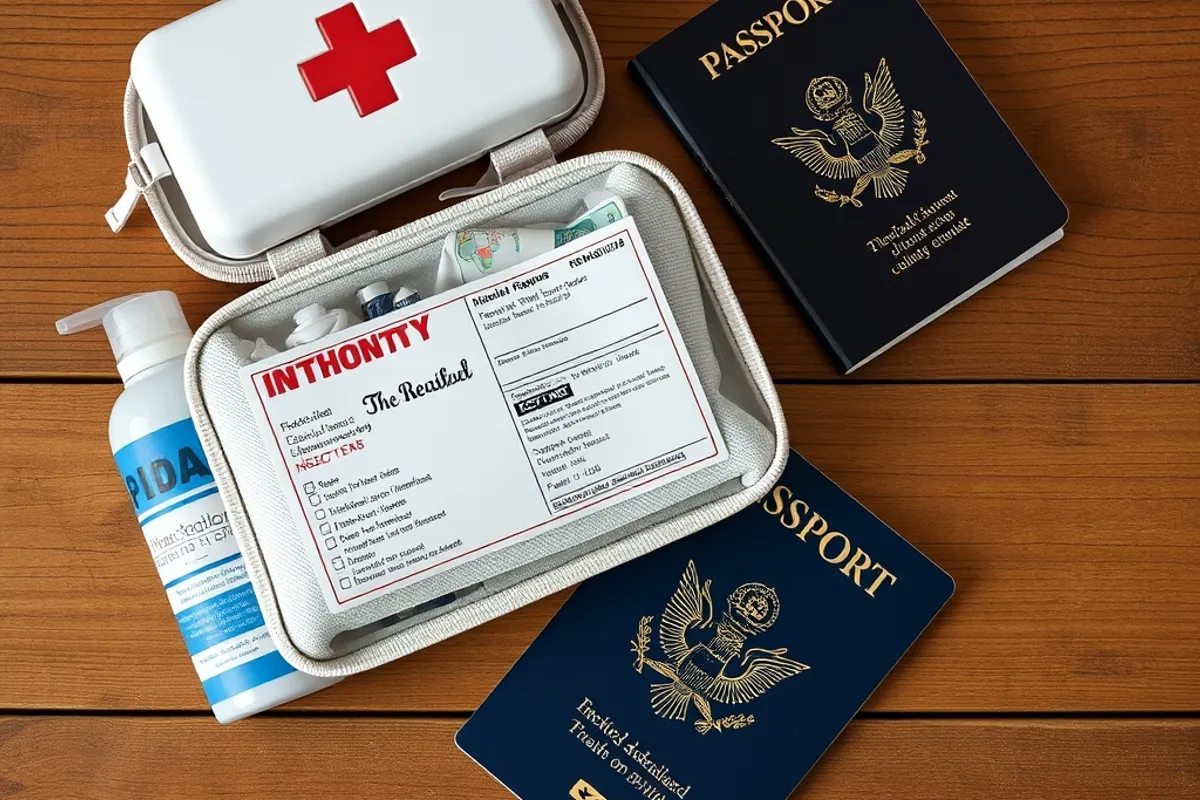
Check vaccination and malaria requirements with a travel clinic at least six weeks before departure. Carry prescription medicine in original packaging with a copy of the prescription. A basic kit with rehydration salts, painkillers, blister plasters, antiseptic and insect repellent with DEET or picaridin covers most minor problems. Do not rely on the lodge shop.
Keep digital and paper copies of your passport, visa, insurance policy and emergency contacts. Store one set in your day bag and one with a travel companion. If you take a yellow fever vaccine, carry the certificate; some borders ask for it even when the destination does not. For broader health guidance, check your own government's travel health service before you fly.
What to Leave at Home
Leave the drone. Most parks and reserves ban them outright, and rangers confiscate them. Leave the heavy tripod, the hard suitcase, the extra pair of heels and the full toilet bag. Lodges provide soap, shampoo and towels. Leave the desire to photograph every meal; a phone snapshot is enough and the camera is better used on the animals.
Skip the expensive new safari wardrobe. Two neutral long-sleeve shirts, two pairs of trousers, a warm layer and a hat will do more than a shopping spree. Spend the saved money on a better pair of binoculars, which every guest uses every day. If you are still choosing where to stay, start with our guide to Serengeti safari lodges, then pack for that specific camp and season.
Weigh the bag at home, walk around the block with it once, and remove one item. That is the list.