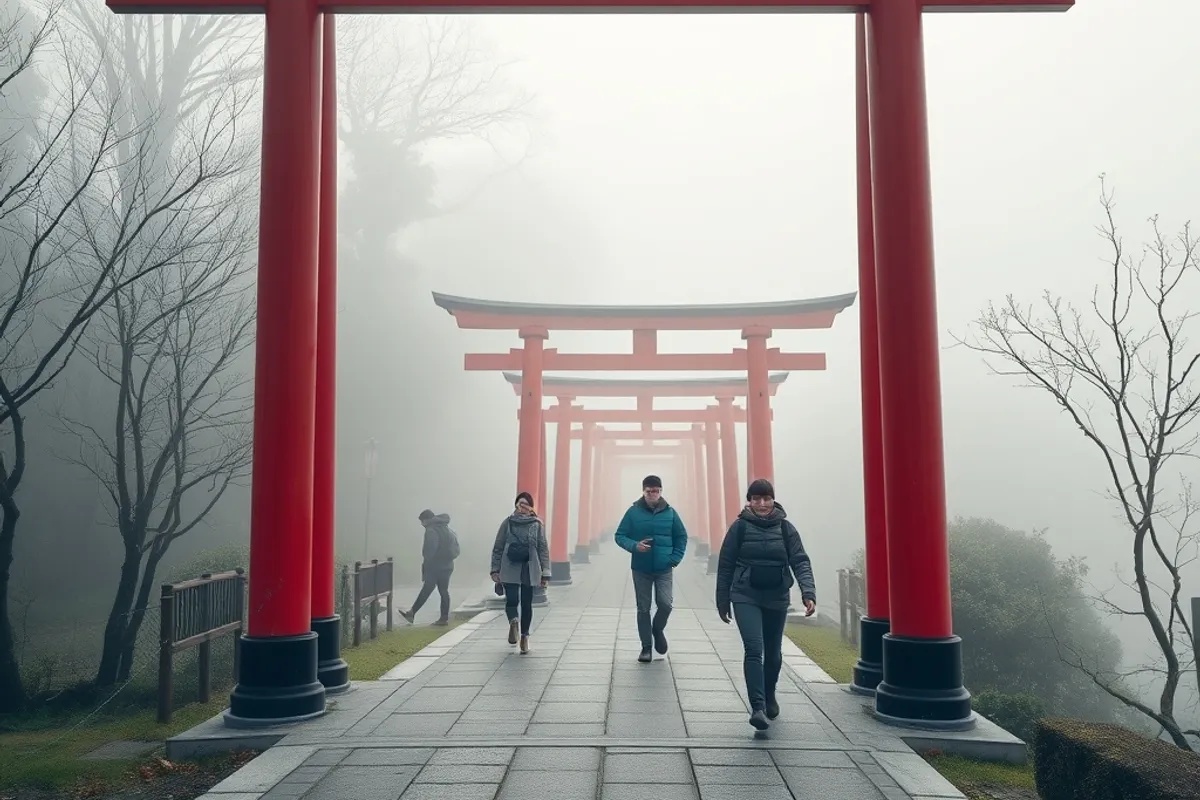
Japan is easy to photograph and hard to understand. A week of temples and bullet trains can leave a traveler with beautiful pictures and no sense of how the country works. The difference between a cultural tour and a sightseeing tour is not the number of temples. It is whether you spend time with people, whether the schedule leaves room for the unexpected, and whether the places you visit are still used by locals rather than staged for buses.
What Cultural Tourism Means Now
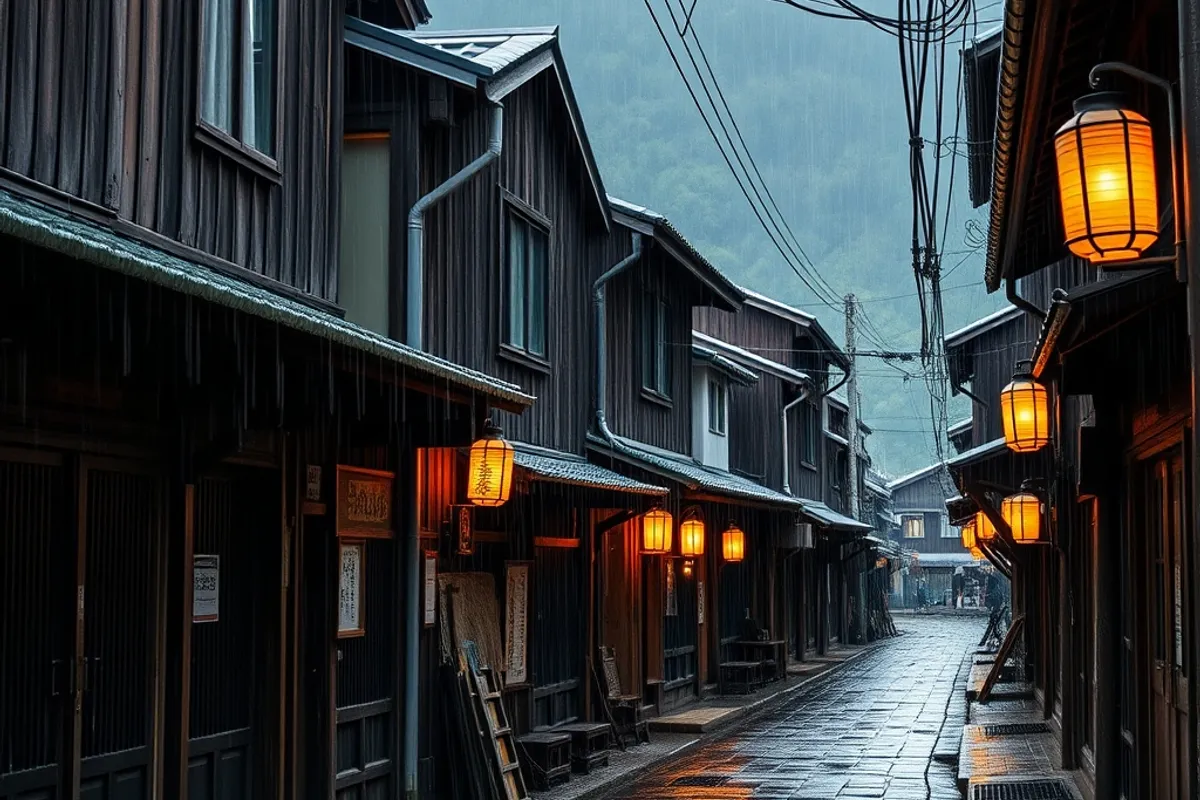
Overtourism has changed the conversation in Kyoto, where some lanes are now closed to through traffic and certain private alleys are off-limits to visitors. A responsible tour operator works around this instead of fighting it. That may mean visiting a temple at 7am, spending an afternoon in a town outside the big cities, or paying for a small-group experience that keeps a neighborhood livable.
Ask a simple question before booking: who benefits? A good tour employs local guides, buys from local businesses and limits group size. A weak one moves a crowd through a paid photo opportunity and calls it culture. The price per day is often similar. The experience is not.
Kyoto Versus the Countryside
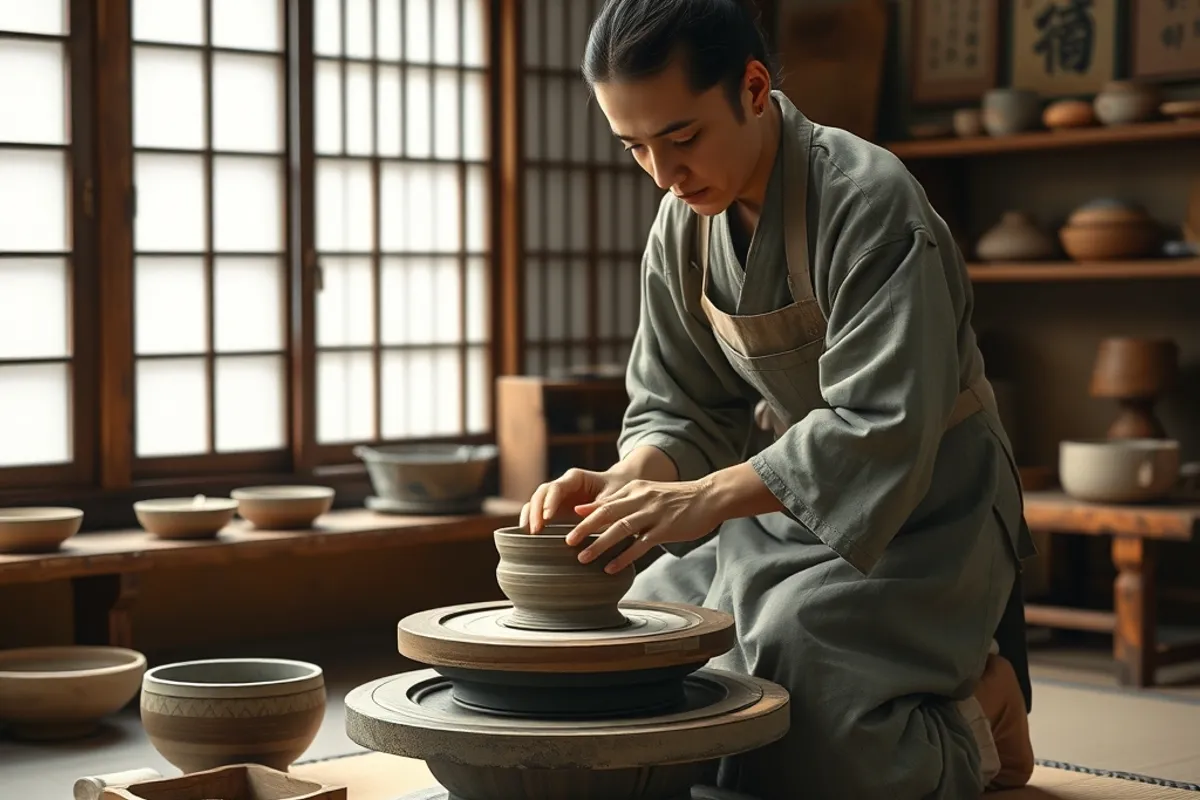
Kyoto deserves its reputation, but it works best in short, early doses. Two mornings of temples and a craft workshop will stay with you longer than four rushed days. The countryside offers what the cities cannot: a pottery town where the kilns are still working, a farm stay with a family, a coastal village with a fishing routine that has not changed for generations.
A strong itinerary pairs one city with one region. Kyoto and the Kii Peninsula, Kanazawa and the Noto coast, or Tokyo and the Kiso Valley. Travel time matters; a three-hour train ride is part of the trip, not a waste, but three transfers in one day is not. Leave at least two nights in each place.
- Small-group cultural tour: $350 to $650 per person per day
- Private guide and driver: $500 to $1,000 per day
- Craft workshop or tea ceremony: $60 to $180 per person
- Ryokan with dinner: $200 to $600 per person per night
- Rail pass and local transport: $150 to $300 per week
How to Read a Tour Itinerary
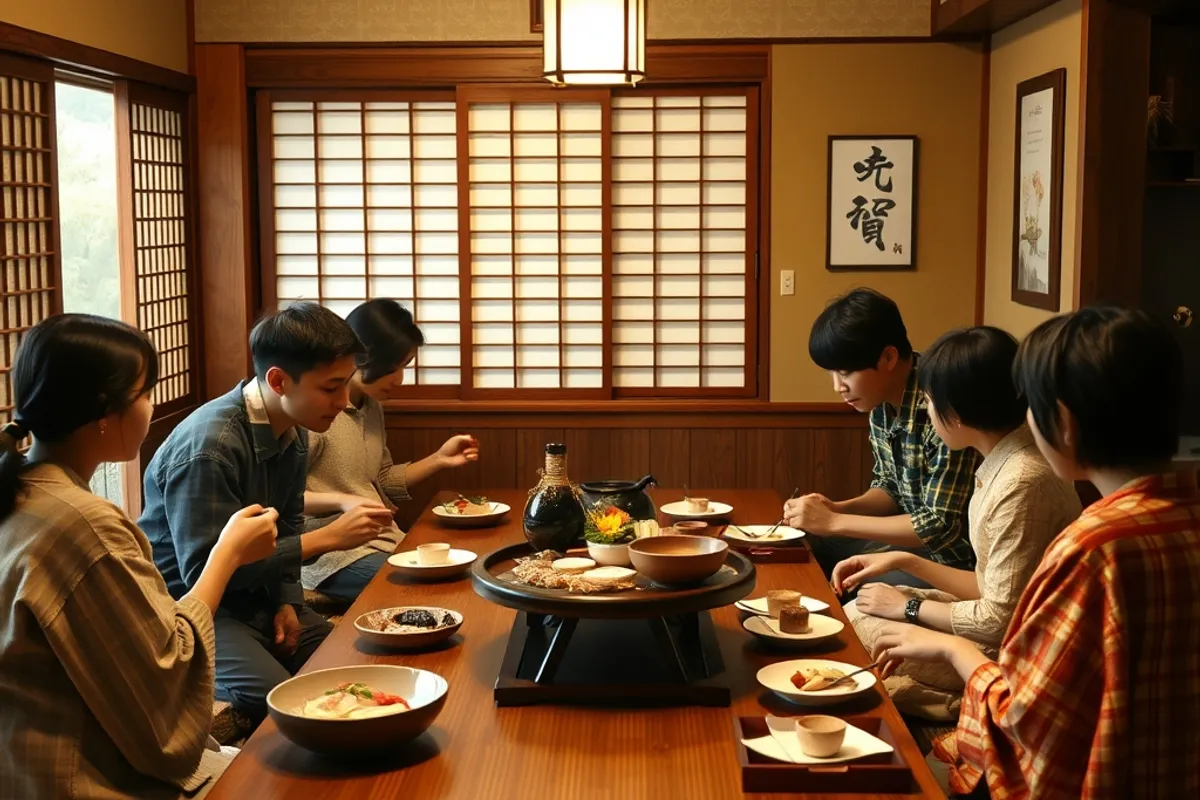
Count the number of places per day. More than three is a red flag. Look for the words free time and notice how much of it is scheduled. Check whether meals are included and where; a group lunch at a hotel buffet is not the same as a meal at a family restaurant. Look for the phrase local guide and ask whether that guide lives in the area or joined the bus at the airport.
Read the cancellation policy and the group size. A tour advertised as small group should state a maximum, not just a range. Twelve people is workable; thirty is a different product. Ask whether the tour uses public transport or a private coach. Both can be good, but they create very different days.
The best cultural tour leaves you with fewer photographs and more questions.
Guides, Access and Etiquette
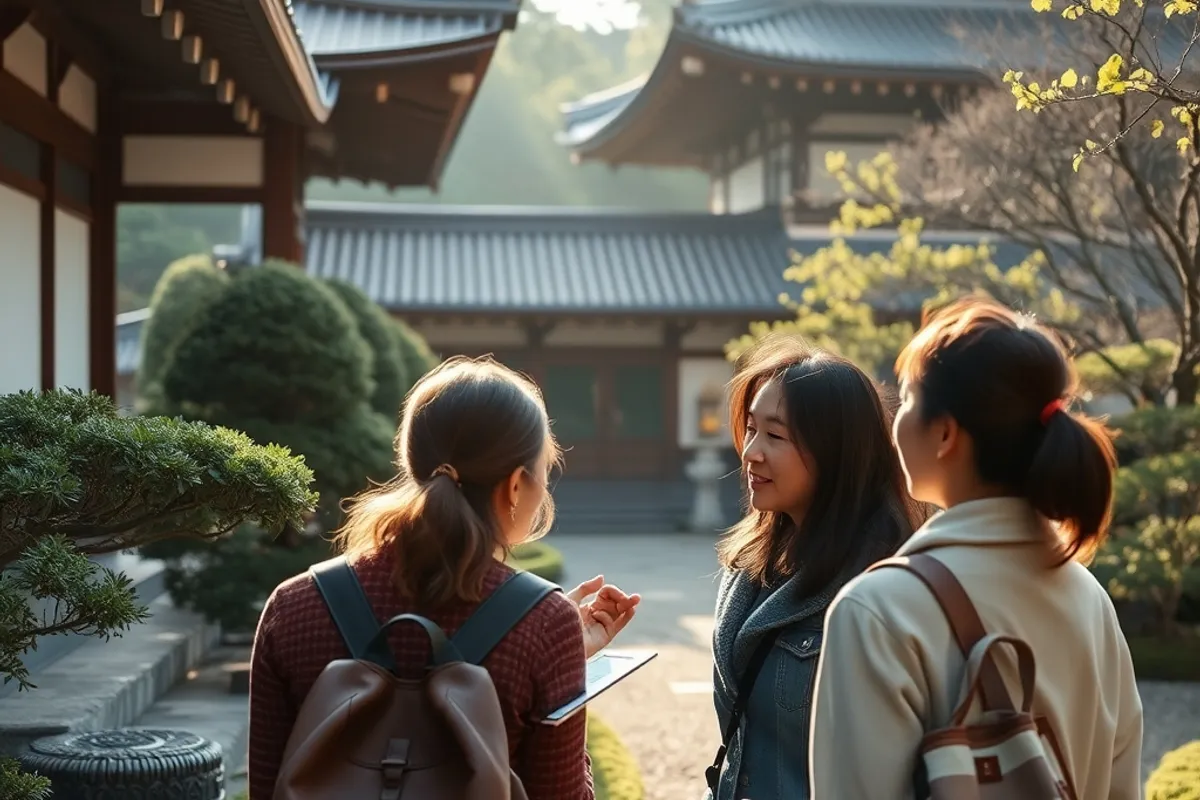
A good guide explains why a shrine is arranged the way it is, then lets you stand in it. They translate not just words but behavior: how to wash your hands at the purification fountain, why you take off your shoes, how to drink tea in a ceremony without turning it into a performance. That knowledge is worth paying for, and it is not the same as a script delivered in perfect English.
Some experiences require an introduction. A private home, a working studio or a temple meditation session may only accept guests through a local connection. That is not gatekeeping for its own sake; it protects the people who live there. Respect the rules, and do not film where filming is not allowed.
Price Bands and What You Get
At the low end, a group tour of $250 to $350 per day covers shared transport, a guide and some entrance fees. Mid-range tours around $450 to $650 add better hotels, smaller groups and one or two special experiences. Private travel above $800 per day buys flexibility, access and a guide who can change the plan when it rains.
Do not assume expensive means thoughtful. Read reviews for the words rushed, scripted and shopping stop. Those are the tell. A cheaper tour with a excellent guide beats a luxury tour with a bored one. If you want to compare formats in more detail, read our guide to small-group versus private cultural tours.
Booking Questions That Matter
Ask how many guests are in the group and how many guides. Ask what happens if a site is closed, which happens often with temples and workshops. Ask whether the tour supports the community it visits, and be suspicious of a vague answer. Ask for the name of the guide in advance if possible, then look them up.
Finally, build in a day with nothing planned. Japan rewards the unplanned walk: a neighborhood bakery, a small museum, a train ride to a town you did not research. The tour gets you oriented. The empty day is where the trip becomes yours.