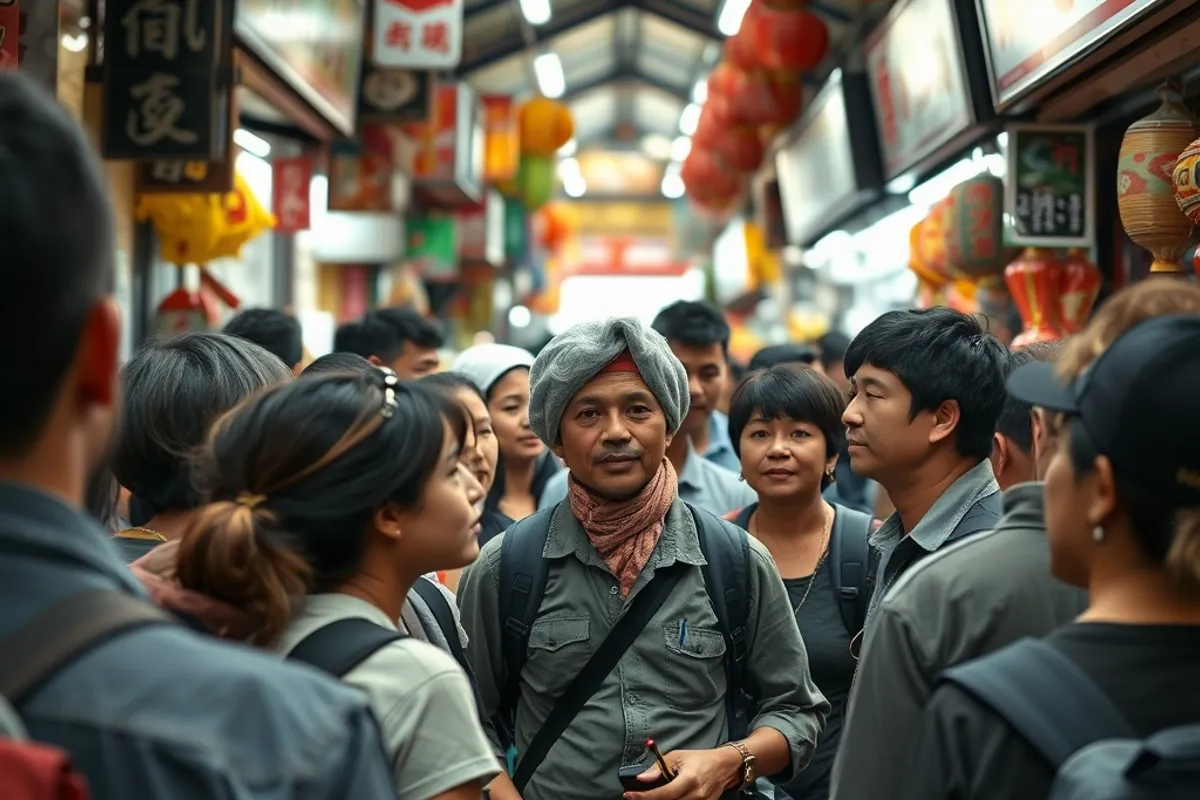
Every cultural tour is a compromise. A small group trades privacy for price and the company of strangers. A private tour trades money for control and access. Neither is better in the abstract. The right choice depends on how you travel, how much the trip costs in total and what you want to do with the hours you cannot get back.
The Real Difference
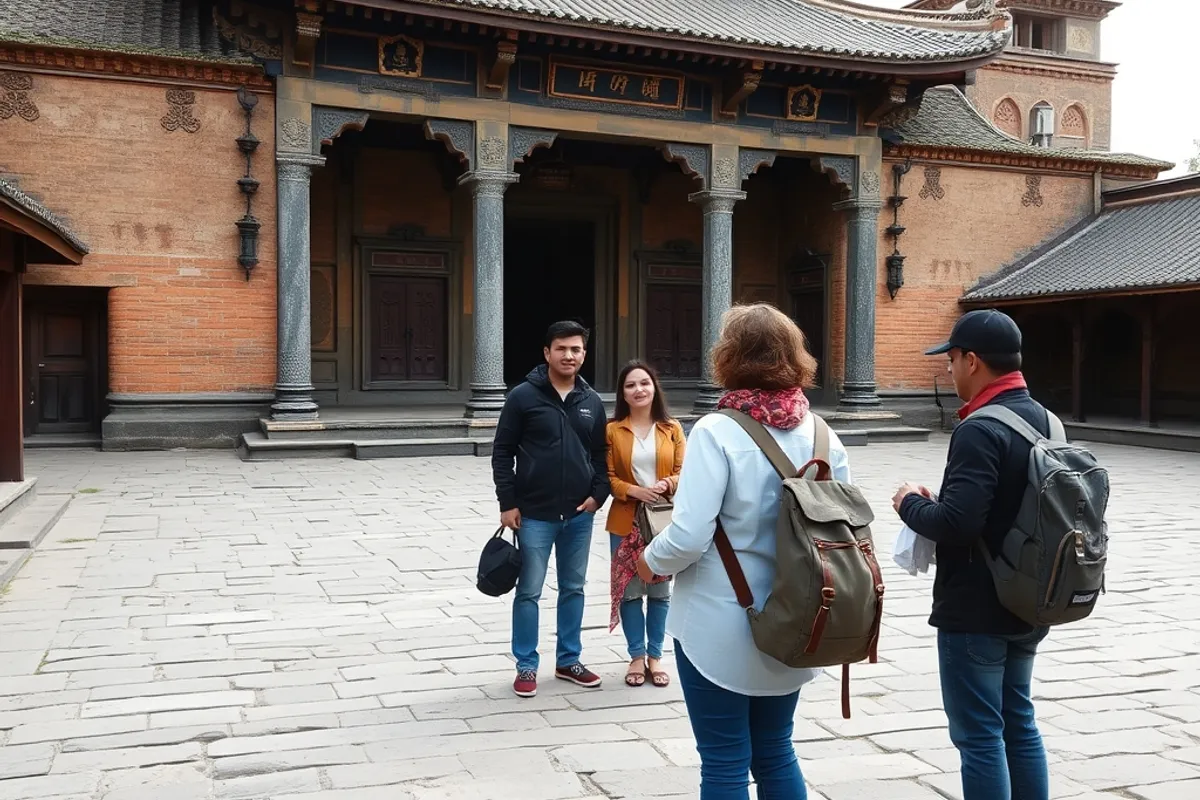
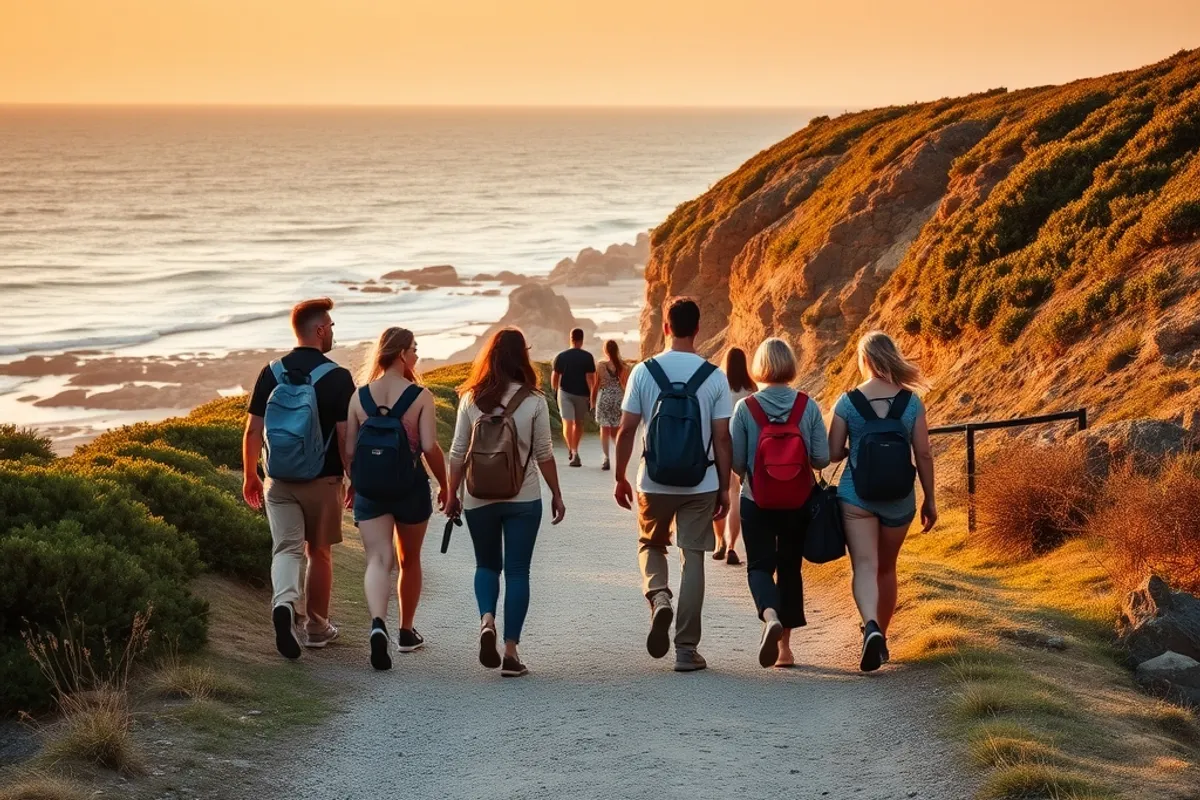
In a small group, the schedule belongs to the group. You move when the slowest person moves, eat where the group eats and spend the same amount of time at each stop. The upside is cost, shared logistics and the conversations that happen when you are not the only guest. A good group can make a trip feel larger than its itinerary.
In a private tour, the schedule belongs to you. You can stay at a market an hour longer, skip the second temple and take a detour for lunch. The guide works for you and can adjust in real time. The downside is cost, and sometimes isolation: a private vehicle can become a bubble that keeps the place at arm's length.
- Small-group cultural tour: $250 to $650 per person per day
- Private guided day: $500 to $1,000 per day, not per person
- Private guide for a family of four: often the cheaper option
- Group size that still feels personal: 8 to 12 guests
- Best hybrid: private transfers plus small-group experiences
Cost Comparison That Includes the Hidden Parts
Compare the total for your party, not the headline per person. A $600 private day for a family of four is $150 per person, which undercuts many group tours once entrance fees are included. A solo traveler pays the whole private bill, so the group option wins comfortably. Two friends usually land in the middle, and the decision shifts to pace rather than money.
Add the extras: meals, tickets, tip and transport to the meeting point. Group tours sometimes exclude entrance fees, and private tours sometimes include them. Ask for a written inclusions list and compare the final number. The cheapest quote is frequently neither the best value nor the cheapest trip.
Pace and Access
Private tours win on access. A guide with a relationship in a village can arrange a home visit or a workshop that a group cannot. They can also move faster when weather turns or a site closes. If your time is short, private is the way to see a place without spending half of it waiting for a bus to fill.
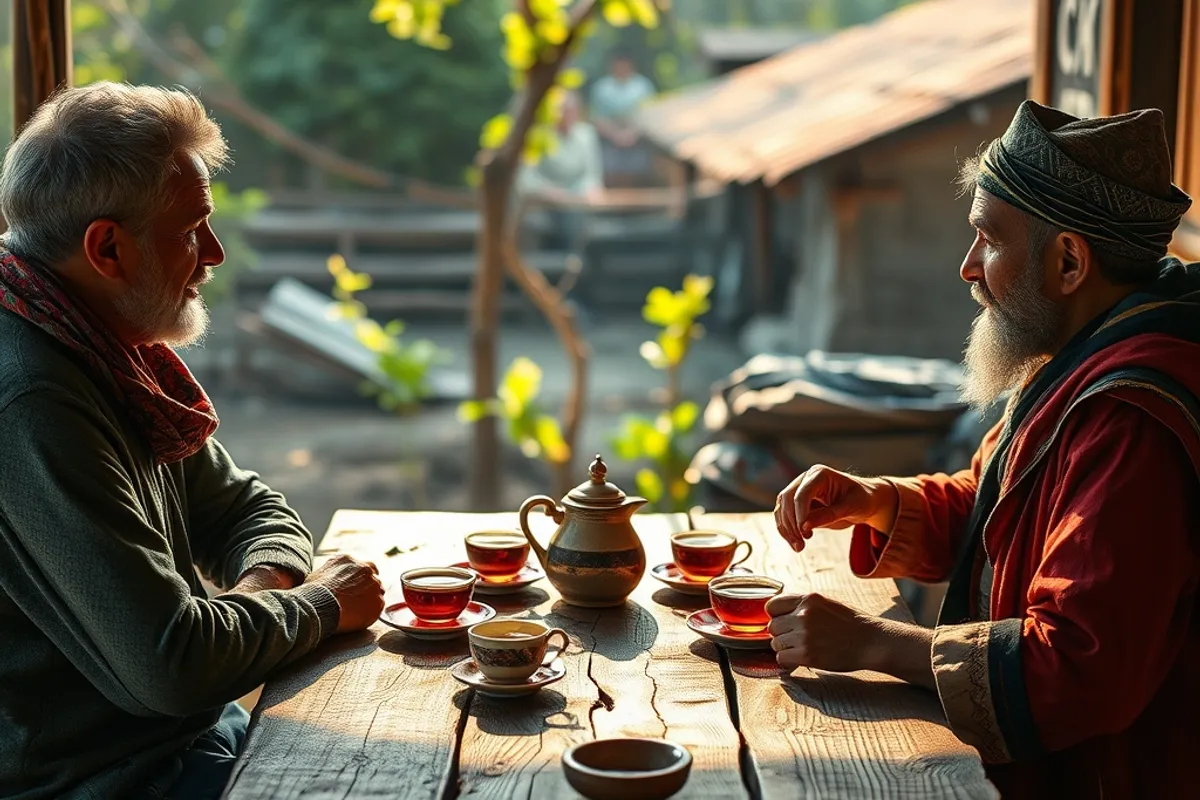
Small groups win on energy. A table of eight travelers sharing a meal with a local host produces better conversation than a couple sitting alone. For solo travelers, the group is often the difference between a good trip and a lonely one. It also spreads the awkwardness of asking basic questions; someone else will ask first.
A private tour buys time. A small group buys company. Decide which one you are short of.
When a Group Wins
Choose a small group when you are traveling alone, when the budget has a ceiling, or when you want the structure to do the planning for you. It also works well for a first trip to a country where you do not speak the language and would rather not negotiate every transfer. Look for a maximum of twelve guests and a guide who is local to the region, not a contractor flown in.
Group tours are also a good fit for complex sites where crowd control matters. A large museum or a popular shrine is easier with a guide who knows which entrance to use and when the tour buses leave. The group is not the problem; the size and the script are.
When Private Wins
Choose private when you have children or older travelers who need a slower pace, when photography is the point, or when your dates are fixed and you cannot afford a wasted afternoon. It is also better for travelers with specific interests: textiles, architecture, food, photography or family history. A private guide can build a day around one obsession.
Private is often the smarter choice for a family or a group of four, where the per-person cost drops below a group tour once everyone is counted. It also lets you combine transfers and sightseeing so you are not paying twice for the same drive.
The Hybrid That Usually Works Best
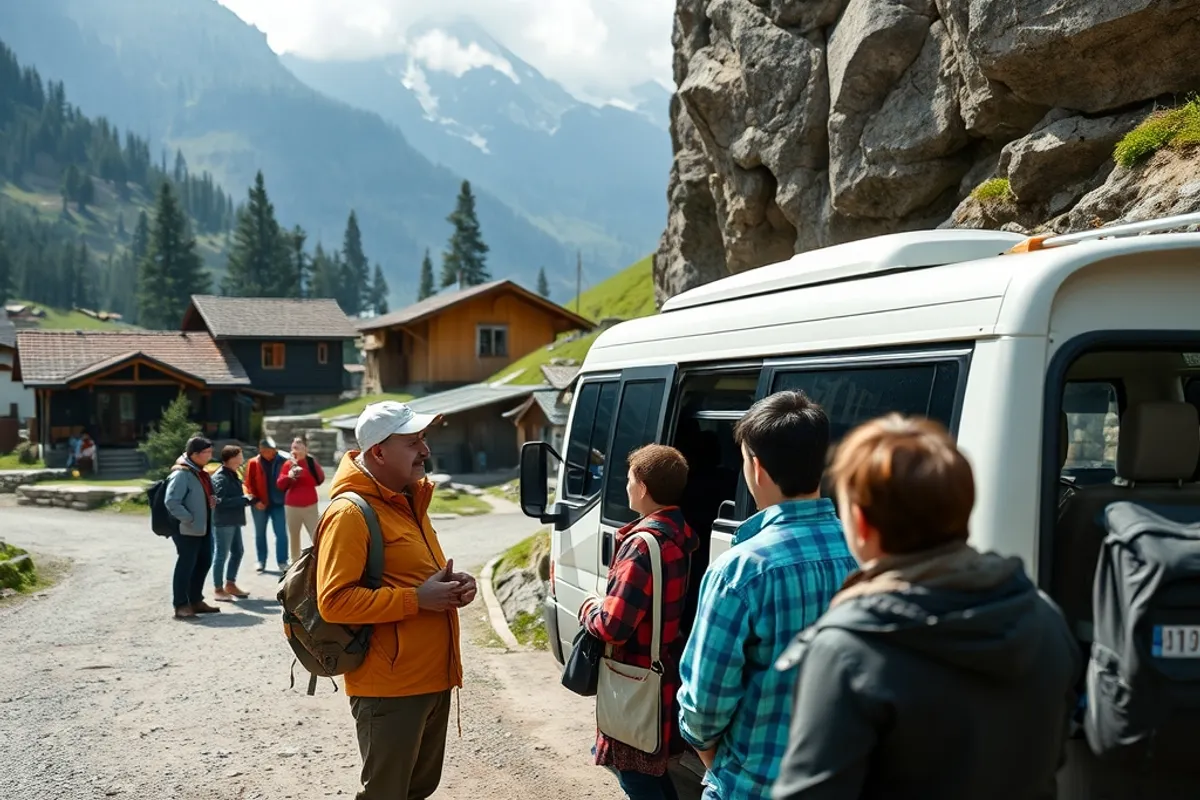
Use private transfers for the long, boring legs and small-group experiences for the parts where people matter. A private driver gets you from the airport to a village; a group cooking class puts you at a table with locals and other travelers. You keep the logistics simple and still get the social side.
Whatever you choose, vet the operator on the same three points: group size, guide roots and what happens when plans change. For a deeper look at building an itinerary, read our guide to cultural tours in Japan. Then book the format that matches your energy, not the one that looks best in the brochure.