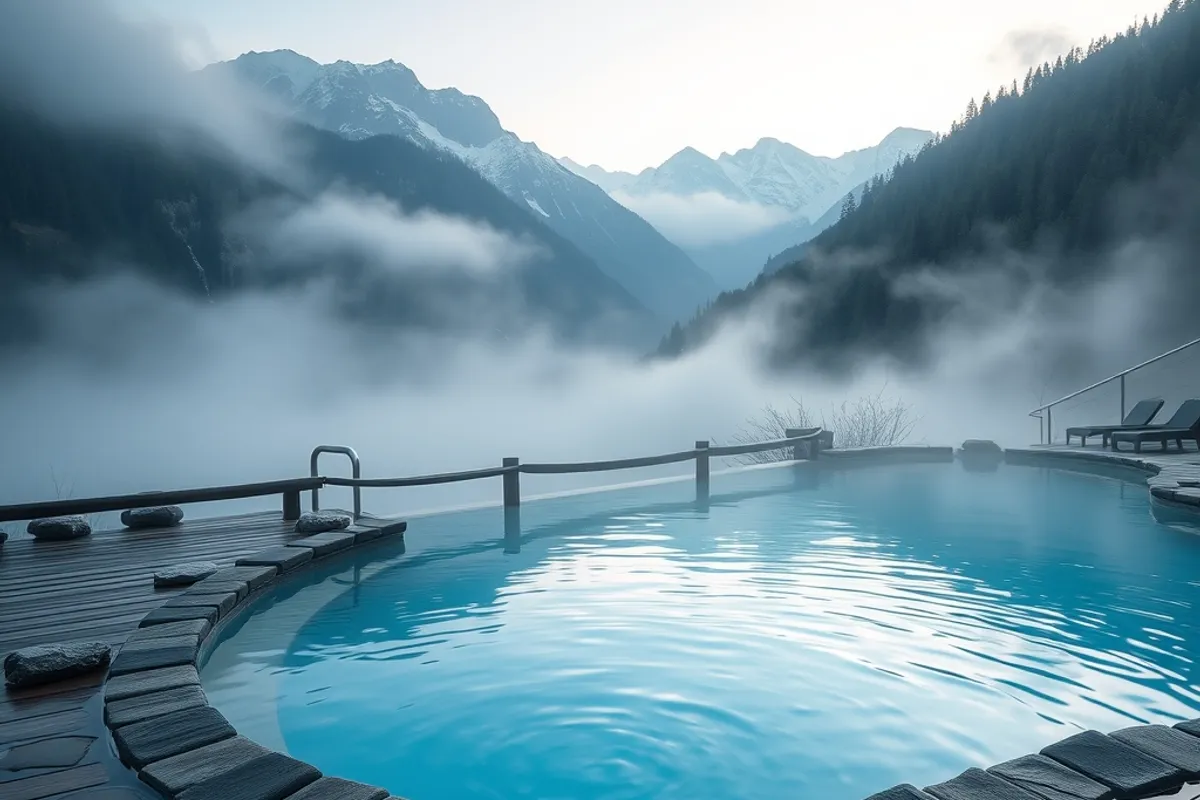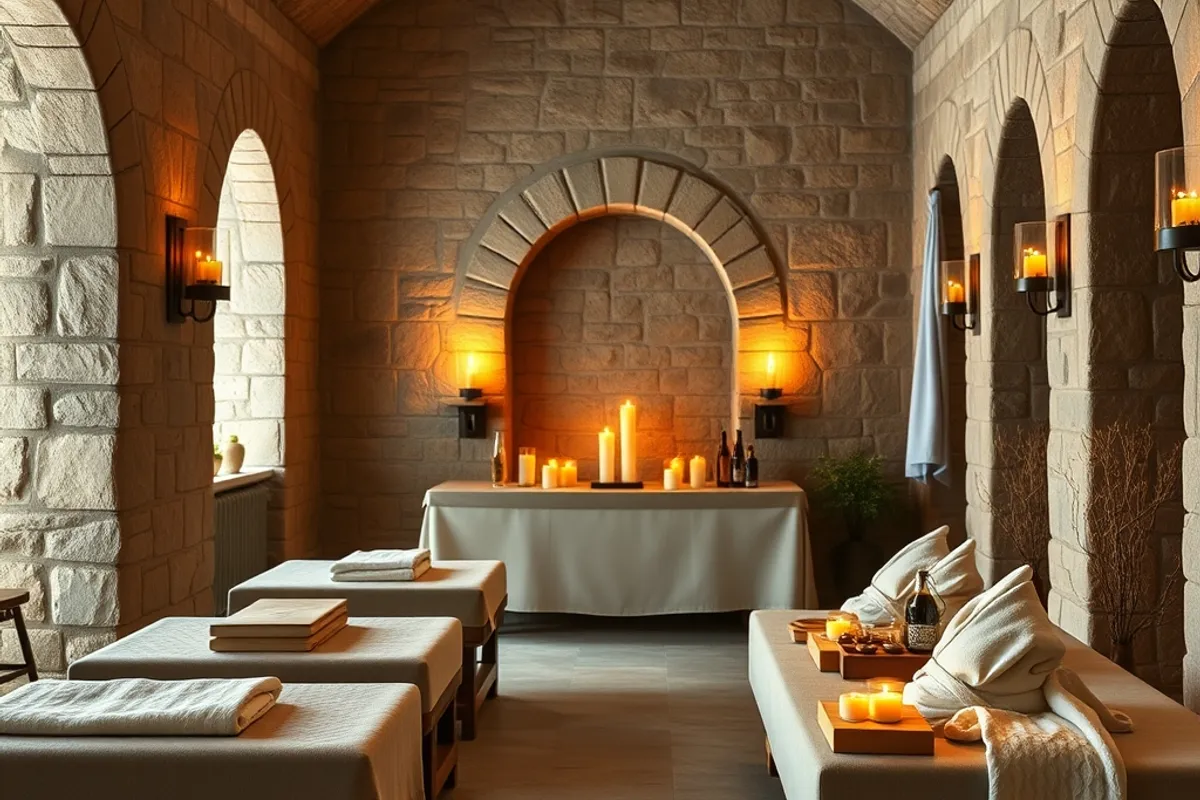
The word spa covers two very different things. A hotel spa is an amenity you visit between meals. A destination spa is the reason you traveled: a structured program of treatments, movement, food and rest that fills the day. The second can change how you sleep and eat for months. It can also be expensive, rigid and a poor fit if you wanted a holiday. Knowing which one you booked is the first decision.
What Counts as a Destination Spa
A true destination spa has a program, not just a treatment menu. Guests arrive for a defined number of nights, follow a daily schedule and usually eat from a set menu designed around the program. Some include medical assessments, physiotherapy or nutrition consultations. Others focus on yoga, hiking and sleep. The best ones are clear about what they do and who they are for.
Ask for a sample day. If the answer is vague, you are probably booking a hotel with good towels. That is fine if it is what you want, but do not pay retreat prices for it. The schedule should show wake-up, movement, meals, treatments and rest, with realistic gaps between them.
What a Week Really Costs in 2026
In Western Europe, a mid-range destination spa runs about 250 to 450 euros per person per night, including meals and a daily treatment. A well-known medical or wellness clinic can charge 600 to 1,200 euros per night, and premium programs with doctors and diagnostics go higher. Eastern and Southern Europe offer strong value at 150 to 300 euros per night for a good program.
Flights, transfers and extra treatments sit outside the package. A single 60-minute massage may cost 90 to 160 euros if bought separately. Alcohol, coffee and excursions are usually extra, and some clinics charge for the initial consultation. Add 15 percent for incidentals and a little more if you plan to extend the trip.
- Mid-range European destination spa: 250 to 450 euros per night
- Medical or premium clinic: 600 to 1,200 euros per night
- Eastern and Southern Europe: 150 to 300 euros per night
- Extra treatments: 90 to 160 euros for 60 minutes
- Typical stay: 5 to 7 nights for a first visit
The Main Program Types
Detox and fasting programs range from juice-only weeks to gentle elimination diets. They are popular and poorly regulated, so choose a clinic with medical supervision and clear screening. Fitness and outdoor retreats focus on hiking, strength or endurance, often in mountain regions. Burnout and sleep programs combine therapy, breathwork and strict screen limits. Holistic retreats blend yoga, meditation and bodywork with more free time.
Match the program to your actual life. If you have a physical job, a boot-camp week may be the last thing you need. If you cannot sit still, a silent retreat will feel like a punishment. The right program is slightly uncomfortable and mostly sustainable, not a test of endurance.
The retreat that works is the one you could imagine continuing, in a smaller form, at home.
Which Regions Suit First-Timers
Italy and Austria are strong for mountain air, hiking and food that still tastes like food. Spain and Portugal offer coastal programs with more sunlight and a relaxed pace. Germany, Switzerland and Austria lead on medical wellness, with clinics that combine diagnostics and rehabilitation. The Czech Republic and Hungary have a long spa tradition at lower prices, though the focus is often therapeutic rather than lifestyle.
For a first retreat, choose a place you can reach in one travel day and a program you can leave early if it is wrong. A remote clinic with a strict contract is a bad first experiment. A well-run spa near a town gives you the option of a walk and a coffee when the schedule feels too tight.
Medical Wellness Versus Holistic Retreat
Medical wellness is led by doctors and therapists. Expect blood tests, physiotherapy, nutrition plans and measurable goals. It suits travelers with a specific issue: sleep, stress, back pain, weight or recovery. Holistic retreats are led by teachers and practitioners and focus on experience, rest and habit. They are less clinical and less accountable, which is fine as long as you know the difference.
If a clinic makes strong medical claims, ask who supervises the program and what happens in an emergency. A responsible operator answers without hesitation. Be wary of anyone who promises a cure, discourages you from seeing your own doctor, or sells supplements as the main event.
Red Flags and Booking Timing
Watch for programs that stack six treatments into a day with no rest. That is a sales schedule, not a healing one. Watch for vague menus and a strict no-refund policy. Watch for a price that excludes the consultation but requires it. And watch for retreats that use the word detox without explaining what the body is supposedly detoxing.
Book two to four months ahead for popular clinics, longer for summer and the weeks after New Year. Ask about the cancellation policy and travel insurance that covers medical cancellation. If you are new to retreats, read our first-timer wellness retreat guide before you commit. A good retreat is a structured rest, not a personality change. Plan for the rest and let the rest do the work.