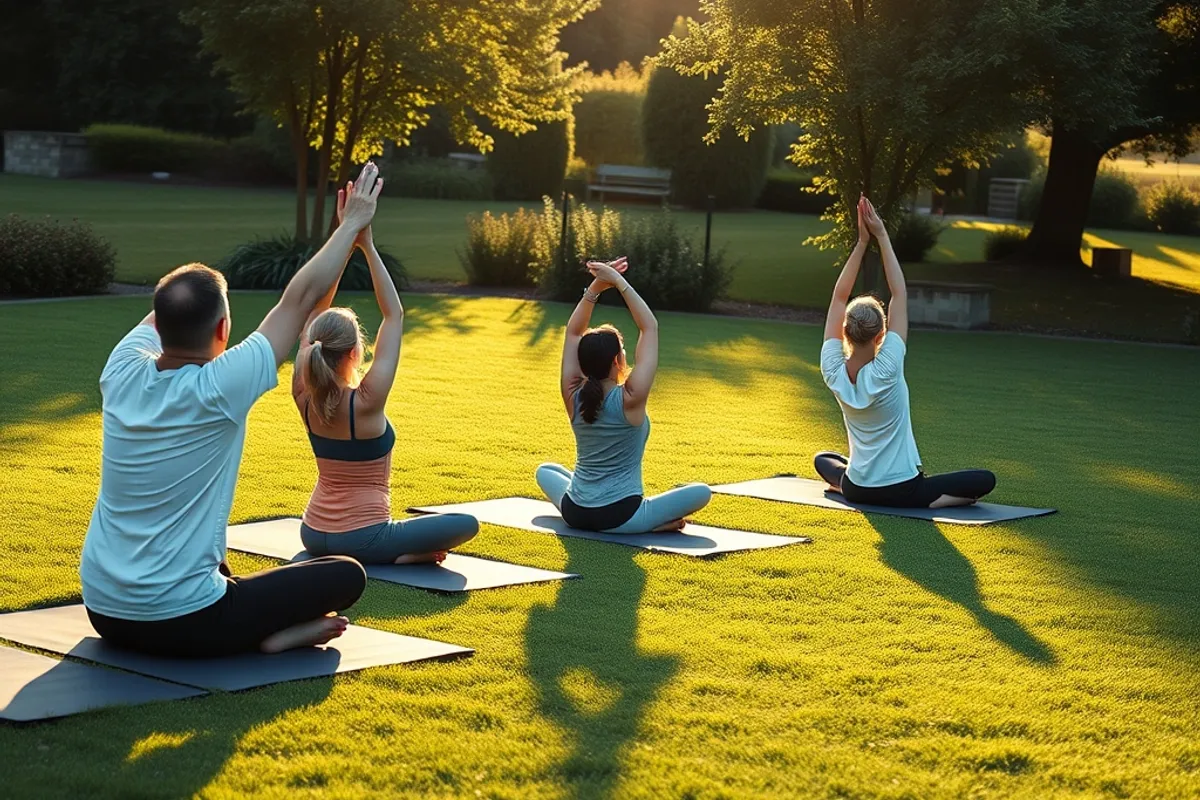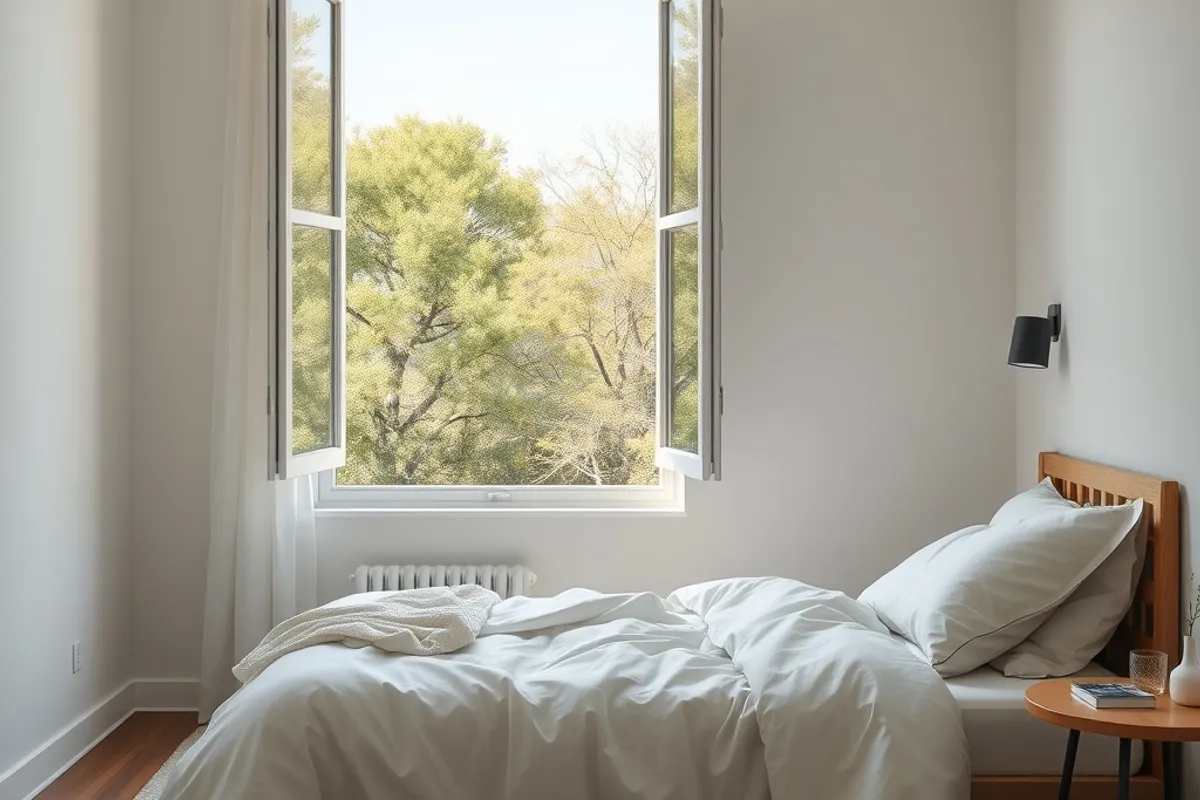
Most people book their first wellness retreat after a difficult season. They want sleep, a break from decisions and a body that feels less tense. That is a reasonable goal, and it is more achievable than the brochures suggest. The trouble starts when the retreat is treated as a cure rather than a pause, and when the guest arrives exhausted and then tries to complete every activity on the schedule.
Choose the Outcome Before the Amenities
Write one sentence about what you want to feel different when you come home. Sleep through the night? Eat without guilt? Move without pain? Have three days without a screen? That sentence decides the program. A yoga retreat may help stress and flexibility; a medical spa is better for a specific physical issue; a hiking week is the wrong choice if you are already exhausted.
Then check the basics: location, travel time, group size and language. A beautiful clinic six hours from the airport is not restful if the journey wipes you out. A program in a language you do not speak can be isolating. Ask whether the retreat is single or group, and whether you can opt out of activities without a conversation.
Read the Daily Schedule Like a Contract
A realistic day has space. Wake-up, movement, breakfast, one treatment, lunch, rest, one workshop, dinner, sleep. If the schedule runs from 6am to 9pm with no gaps, you are booking a performance, not a rest. Gaps are where the nervous system settles, and they are the first thing a good program protects.
Check the start time. A 6am cold plunge on day one is a shock, not a welcome. Check whether meals are fixed or buffet, and whether coffee is allowed. Check how many treatments are included and what happens if you want to skip one. The answers tell you whether the retreat trusts adults.
- First retreat length: 4 to 5 nights, not a full week
- Mid-range European program: 250 to 450 euros per night
- Single room supplement: 30 to 80 euros per night
- Book 2 to 4 months ahead for popular dates
- Leave one full day free after you return home
Food, Fasting and Fitness Realities
Retreat food is not always light. Some programs serve generous, seasonal meals; others run juice fasts or strict elimination diets. Read a sample menu and be honest about what you can sustain. A fast you cannot complete is worse than a meal plan you enjoy. If you have any medical condition, are pregnant or take regular medication, speak to your doctor before booking a fasting or extreme program.
Fitness is the same story. A hike every morning can be wonderful or miserable depending on your baseline. Ask about the distance, the terrain and the pace, not just the word hiking. A good retreat offers alternatives for different levels. A bad one assumes everyone is the same.
The goal of a first retreat is to leave less tired than you arrived, not to win it.
Traveling Solo or With a Partner
Solo is often easier than people fear. Retreats attract other solo guests, and shared meals do the social work. Choose a program with single rooms and optional group activities if you want privacy. Traveling with a partner can be lovely, but only if you both want the same thing. One person doing a detox while the other wants wine and long dinners is a recipe for resentment.
If you go together, agree in advance on how much time you will spend apart. Some retreats allow separate schedules; others assume couples do everything as a unit. Ask before booking, and do not treat the retreat as a relationship repair workshop unless it is explicitly designed as one.
The Quiet Problem
Silence is the part first-timers underestimate. Without a phone, a podcast or a conversation, the mind gets loud. That is normal, and it is often the point. But it can be uncomfortable for the first two days. Bring a paper book, a notebook and a willingness to be bored. Do not fill every gap with a walk or a treatment.
If the retreat offers digital detox, respect it. If it does not, set your own rules: no email before lunch, no news after dinner. The goal is not purity. It is a little distance from the habits that made you book the trip.
Coming Home With a Habit
The week after a retreat is where most of the benefit is lost. You return to a full inbox, a messy kitchen and the same schedule. Plan one small habit before you leave: a ten-minute walk after breakfast, a consistent bedtime, a phone-free hour, one home-cooked meal. One habit, not five.
Book a follow-up if the program offers one, and write down how you felt on day three and day five so you can compare later. If you are still choosing a destination, read our guide to destination spa retreats in Europe. A good first retreat is not a transformation. It is proof that a different pace is possible, and a small plan for keeping a piece of it.
Finally, do not judge the retreat by how much you did. Judge it by how you sleep the week after.